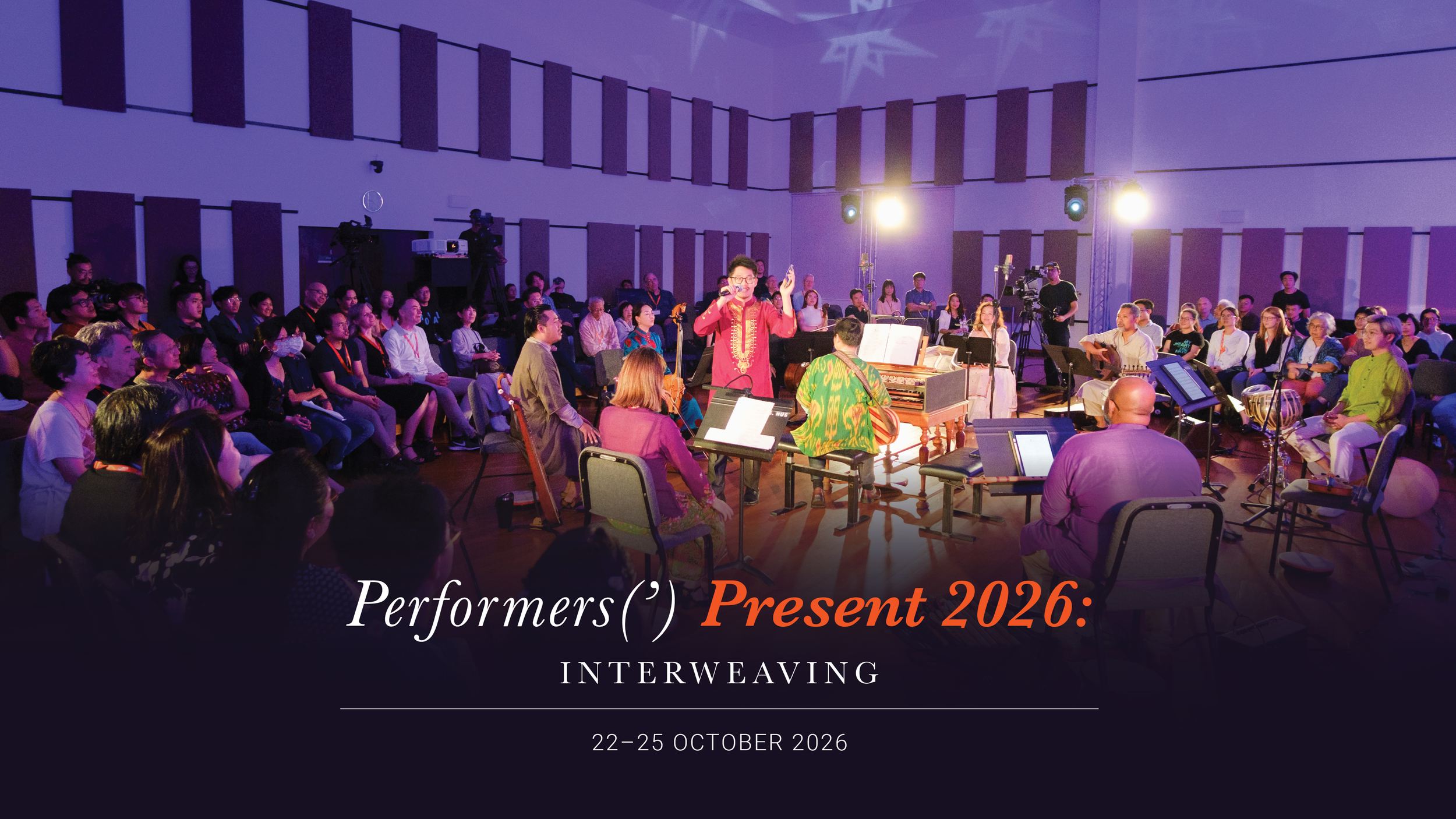
Opening Ceremony
PROGRAMME
Opening Speeches:
DR ADELINE WONG
Symposium Convenor
PROF TAN ENG CHYE
President, National University of Singapore
PROF PETER TORNQUIST
Dean, Yong Siew Toh Conservatory of Music
STEVE REICH
Music for 18 Musicians
WILLIAM OVERCASH, violin
NATHAN WATTS, cello
STEPHANIE TAN and CHUA JAY ROON, clarinets
JONATHAN SHIN, KARST DE JONG, FRANCES LEE and NG KYE LIE pianos
AKIKO OTAO, ALISON WONG, HUNG RUO-CHING and ZHOU WENYUE, voices
JUNE HAHN, TANASIT SIRIPANICHWATTANA, DEREK KOH, CHEONG KAH YIONG, JOACHIM LIM, KUO YAN-SHIN, ISABEL CHIN and HSU ZIH-CIAO, percussion
PAUL COLEMAN, sound engineer
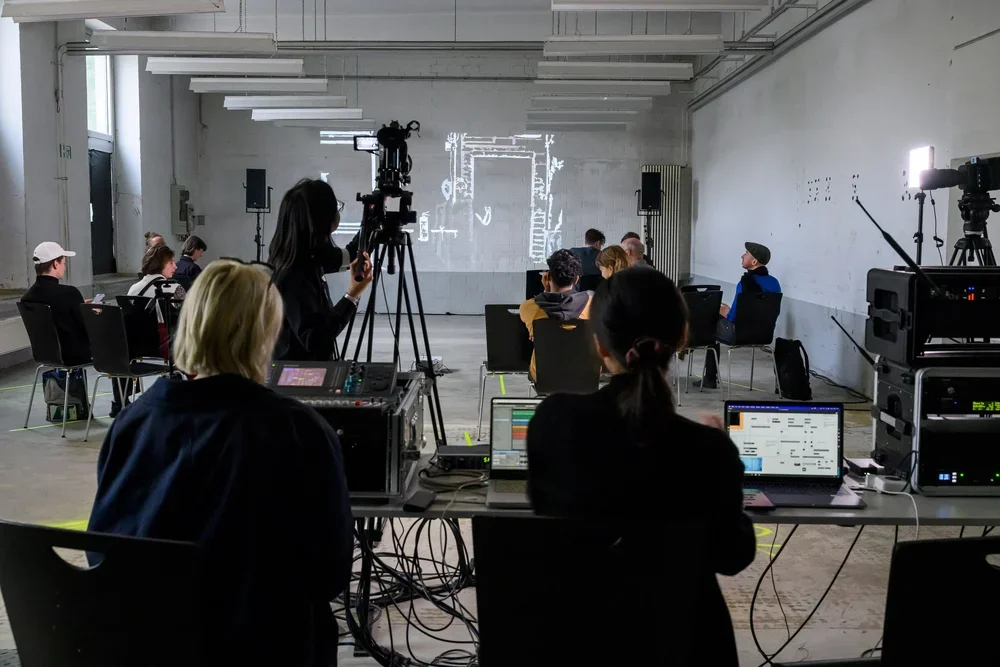
Installation: was wahr bleibt (what truth remains)
Everyone leaves behind traces. These traces need not be physical; they also reside in our memories, translating into our thoughts, behaviours, and future interactions with ourselves, others, and the world around us. Does what remain, remain true? Memories are deceptive. They change, fade, and are reshaped by time, emotions, and our own perception. What we believe to be true can be fragile, and what remains is often not what we expected.
was wahr bleibt | what truth remains explores the fallibility of memories and the traces one leaves behind. As visitors pass through the space, their silhouettes are captured and layered onto a looping video projection, distorting its original narrative. With each repetition, residual images of previous viewers accumulate, merging with those of the present. Over time, this continuous layering distorts the visual memory, raising a central question: Can what remains still be considered true?
ABOUT THE ARTISTS
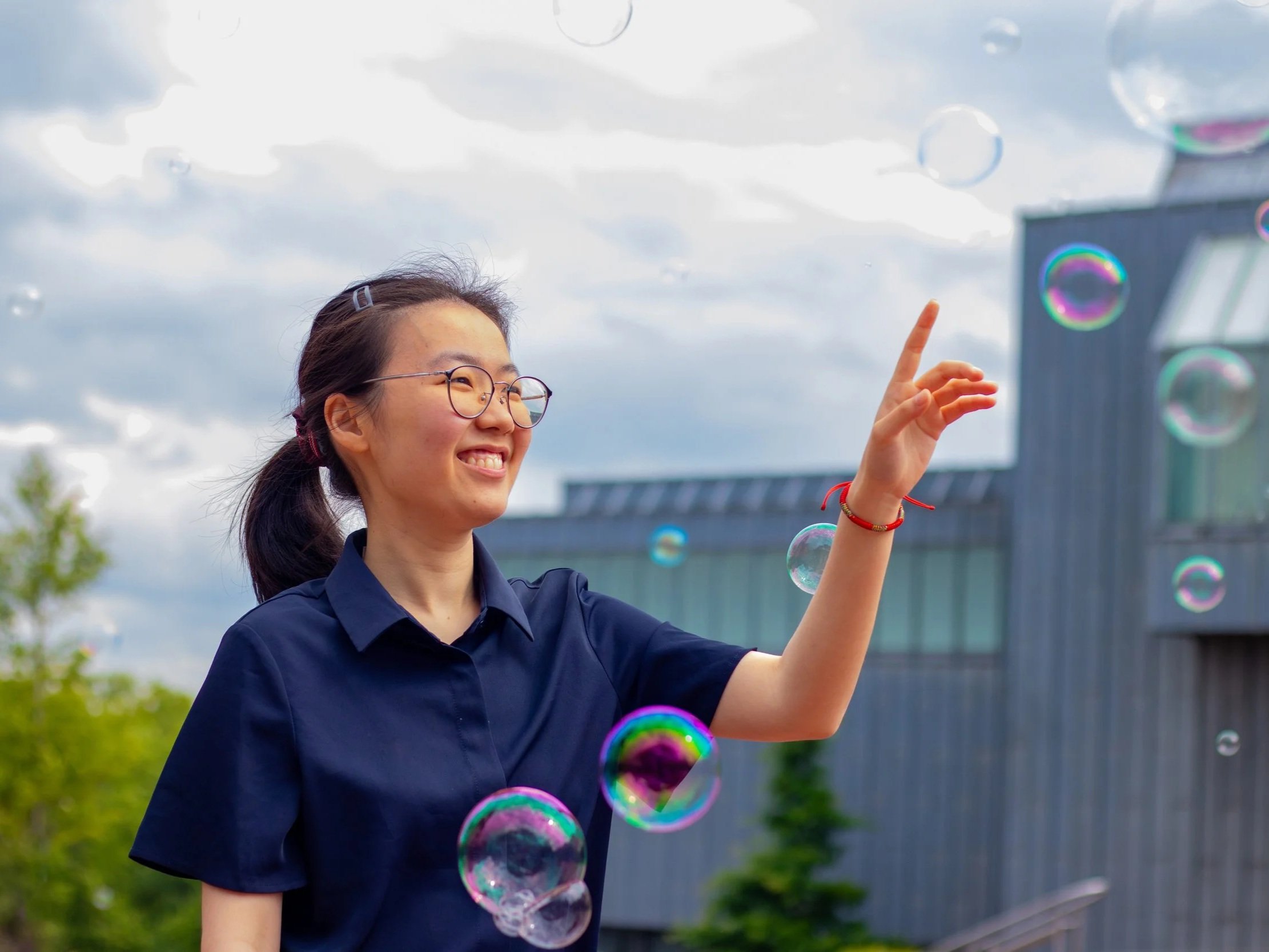
Joan Tan Jing Wen
(Hochschule für Musik und Tanz Köln)
Joan Tan Jing Wen is a Singaporean composer based in Cologne, Germany. She holds a Bachelor of Music in Composition from the Yong Siew Toh Conservatory of Music and a Master’s in Instrumental Composition from the Hochschule für Musik und Tanz Köln.
In a world where much sensory input is tuned out for the sake of everyday functioning, Joan seeks to create sonic experiences that encourage focused listening, guiding listeners through crafted auditory experiences that reflect upon and respond to their environments. She is fascinated by how attention constructs and distorts perception, shaping our experiences. Her music blends sound design, foley, and new music composition, occupying a liminal space between narrative-driven and material-driven listening. Recognisable sound sources are often distorted in her works, leaving behind crafted gestures and faint traces of what they once were.
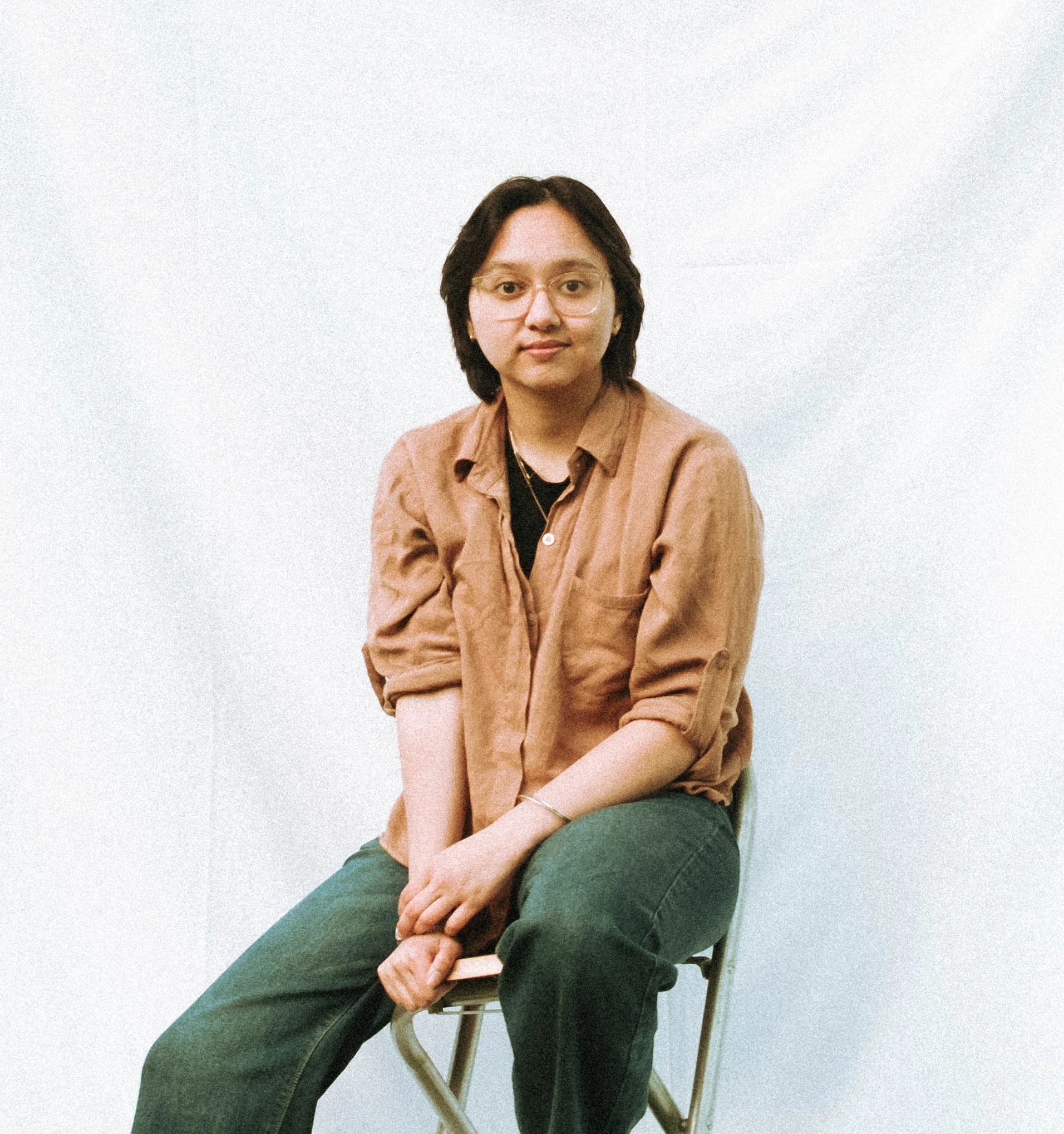
Irene Tanuwidjaja
(Hochschule für Musik und Tanz Köln)
Irene Tanuwidjaja is an Indonesian composer who holds a Master of Music in Electronic Composition from the Hochschule für Musik und Tanz Köln, where she studied with Michael Beil as a DAAD scholar. She previously completed her bachelor’s degree at UPH Conservatory of Music, Indonesia, studying with Antonius Priyanto and Renardi Effendi.
Her work often begins with small gestural motions or fleeting visual moments drawn from subtle details in everyday life, sound and the cultural environments that have shaped her experience. These gestures transform into materials through which sensory experiences unfold, revealing the inner textures of sonic and visual materials.
Irene is also Artistic Director of Radarsuara, an Indonesian composer collective focused on sonic experimentation through creative practice and research rooted in local Indonesian landscapes. Her works have been presented by organisations and ensembles including Ensemble Mosaik, ZKM, Tacet(i) Ensemble, and at festivals across Indonesia and internationally.
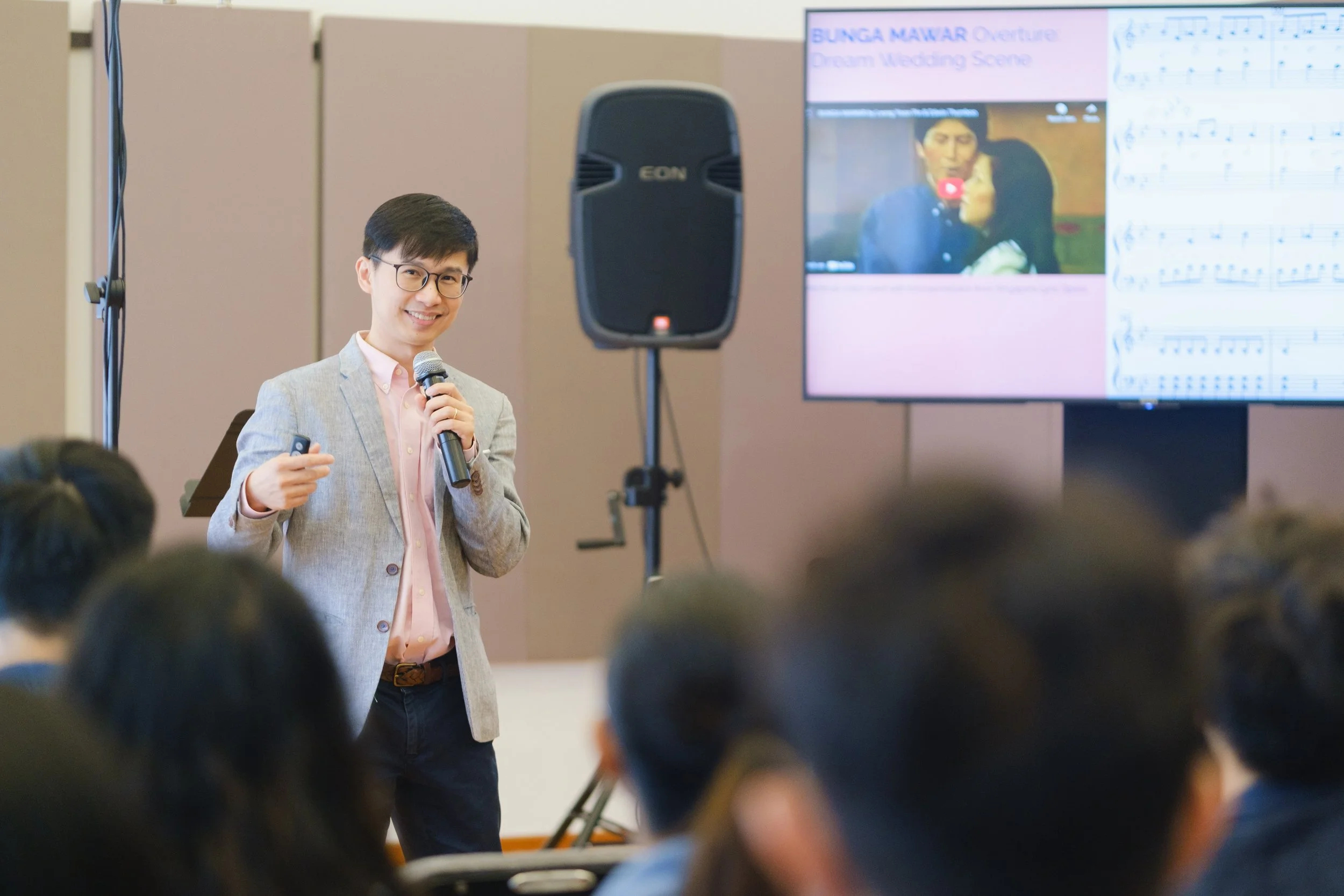
Presentation Session 1
-
Venue: Ensemble Room 1
Moderator: Assoc Prof Ho Chee Kong15:30–16:15
In Betweenness
Dr Patrick Hartono
RMIT Vietnam16:15–17:00
"Why don't you just write an article?":
Reflecting on Composing Complex Music with Socially Engaged Texts
Prof Henrik Hellstenius
Norwegian Academy of Music -
Venue: Ensemble Room 2
Moderator: Assoc Prof Chen Zhangyi15:30–16:00
Interweaving Music Styles: Does Anyone Have A Guide?
Prof Talia Bachir-Loopuyt
Haute école de musique de Genève16:00–16:30
Interweaving Nusantara Identity and Avant-Garde Prepared Piano:
Timbre and Graphic Notation in Opal
Elliana Zakaria
Universiti Malaya16:30–17:00
Devotions (Lieb ohn alle Maße)
Wong Yong En
National University of Singapore
and
Leia Devadason
University of California, Berkeley
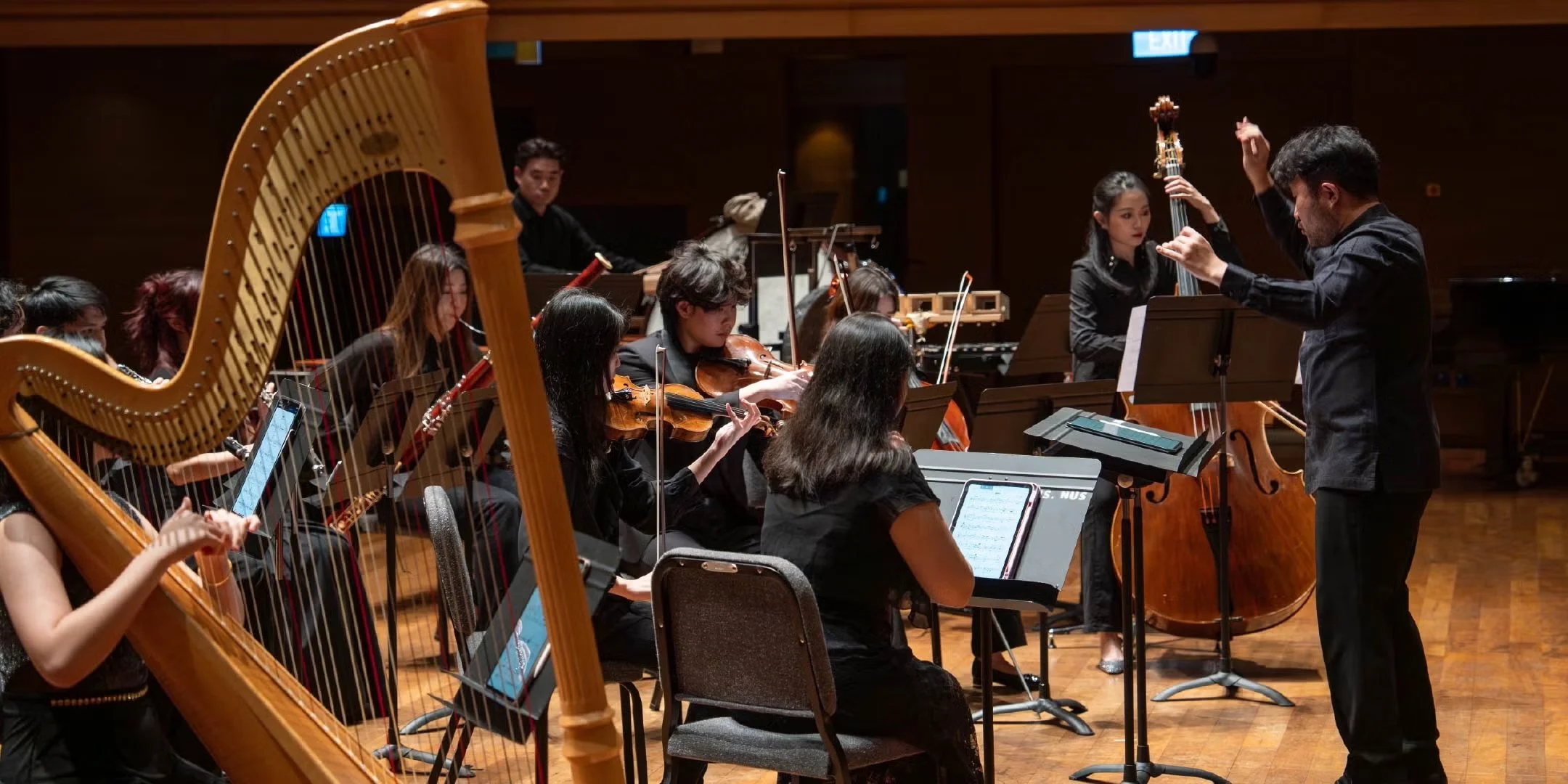
Pre-Concert Talk: Living Threads
Join conductor Lien Boon Hua and composer Dai Fujikura in a pre-concert conversation exploring Fujikura’s Green Tea Concerto and the wider concert programme, including the musical ideas, traditions and influences connecting the works.
SPEAKERS
DAI FUJIKURA
Composer
LIEN BOON HUA
Conductor, OpusNovus
Artist Faculty, YST Conservatory of Music
Opening Concert: Living Threads
Two works ask how music can move between cultures, technologies and the natural world. Dai Fujikura’s Green Tea Concerto brings the traverso into a contemporary setting of strings and harpsichord, allowing old instruments and new sensibilities to breathe together. Lou Harrison’s Piano Concerto brings the solo instrument into vivid dialogue with low brass, percussion, harp and strings, reflecting his singular synthesis of musical traditions.
Across the programme, sound becomes a current connecting past and present, human craft and the living environment.
PROGRAMME
DAI FUJIKURA
Green Tea Concerto
ERIC LAMB, solo flute
LIEN BOON HUA, conductor
CHIU PIN-HSIN, harpsichord
AUREITSEVICH NATALLIA and LIN YI-HSUAN, violins
KUNG YU-NING, viola
LIU YIDUO, cello
HUANG YUNG-TING, double bass
INTERLUDE
WAYAN RACHMAN, gender wayang
LOU HARRISON
Piano Concerto with Selected Orchestra
ALBERT TIU, solo piano
LIEN BOON HUA, conductor
ZHANG HANZHI, AUREITSEVICH NATALLIA, CHEN YI-TIEN, GAO WEI TINA, XU ZHUORUI and ZHAO TONGZHOU, violin I
LIN YI-HSUAN, NG EE-JUN, YIN CHEN ZIYUE, ANDREA LIN and JORIM SIM, violin II
KUNG YU-NING, LIU XUANYU, CLAUDIA KHANG LOO AN and CAITLIN CHIN KAI LI, violas
ASSENBAY ALAN, ZHU RUONING, LIU YIDUO and SHERZOD BAKHTIYOROV, cellos
HUANG YUNG-TING and LOEWE LIM LI TONG, double basses
LIU XIAOWEI, DON KOW and HENDRIK KWEK, trombones
CHRISTIAN DANIEL RAGAY BORRES, KUO YAN-SHIN, ISABEL CHIN CHUN EN and CAI JIAYING, percussion
ZENG YAN and CHARITY KIEW, harp
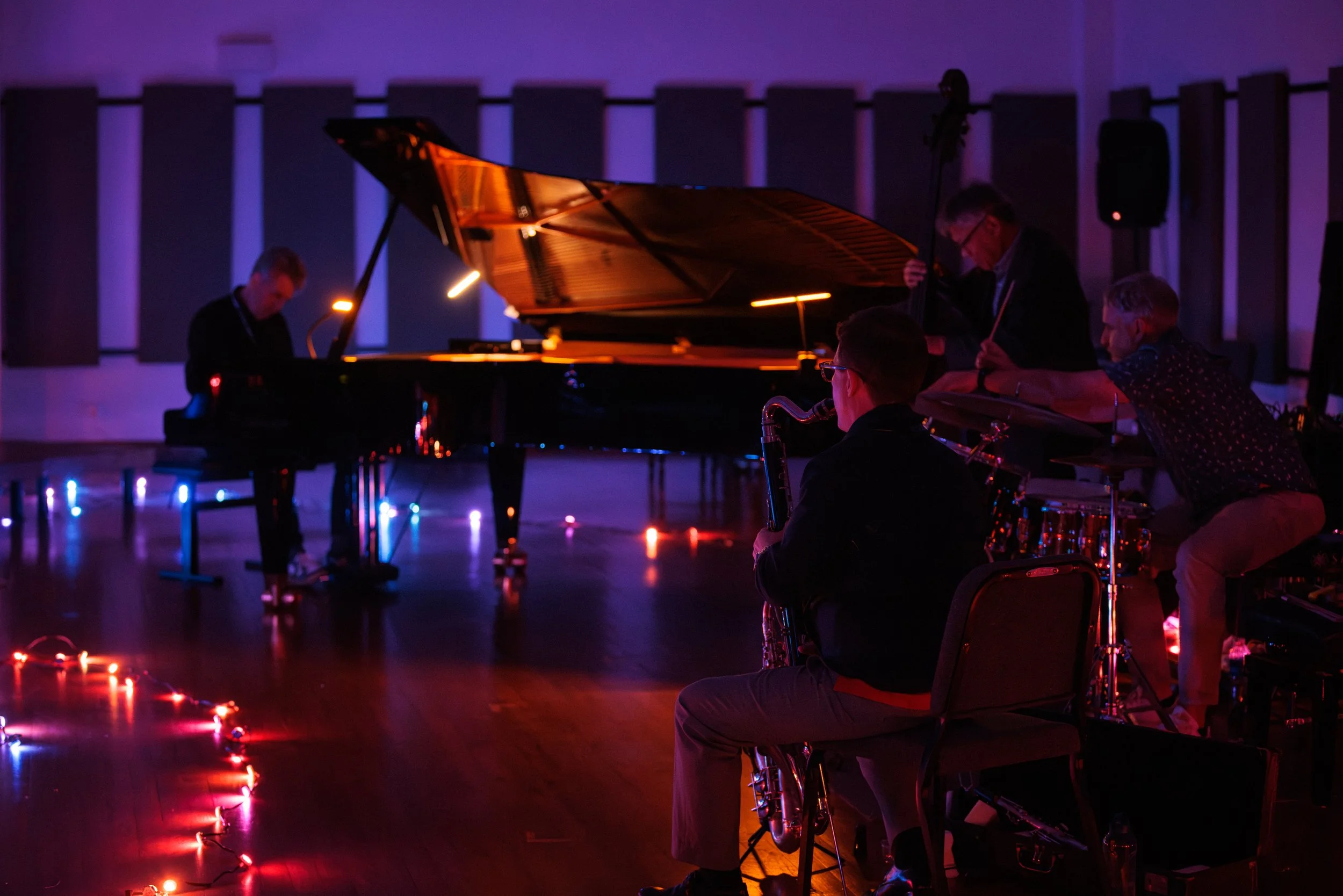
Late Night Sessions: Uncharted (I)
Uncharted brings improvisers together for two late-night sessions of spontaneous music-making, collaboration and unexpected encounters.
PROGRAMME
FRANZISKA SCHROEDER and ROBERT BURKE, saxophones
CHRIS STOVER, trombone
VANESSA TOMLINSON, percussion
KARST DE JONG, piano
Keynote: Listening Towards Care — How Place-Led Music Making Can Change Practice
ABOUT THIS PRESENTATION
This talk traces the emergence of a compositional, curatorial, and performative practice that seeks to move beyond abstract environmental concepts of “matters of concern” (Latour, 2004) towards “matters of care” (de la Bellacasa, 2017). This shift highlights the distinctive contribution that arts practices can make to environmental communication: the capacity to implicate audiences in relationships of responsibility through shared affective experience.
The term Sounding refers to “the activation of a place or space by a musician that is both investigative, information-seeking, and performative” (for example, Sounding the Condamine, Clocked Out, 2012). As Mat Klotz observes, “sounding amounts to a committed and intentional orientation towards the nuances and politics of place” (Klotz, 2024). Such practices generate “new knowledge, new relationships, and new experiences for performers and listeners” while deepening understandings of place (Tomlinson, 2019).
Listening within site-specific environmental sound practices invites deeper engagement with place through cultivating what Anna Tsing describes as the “art of noticing” (Tsing, 2015): a careful and sustained attention to the bodies, relationships, and processes particular to place. Such listening can reveal subtle shifts in ecological dynamics and foster a more responsive environmental awareness (Rose, 2013; Wright, 2016).
Drawing together matters of care, sounding, and listening, this keynote explores a range of performative approaches that foreground directionality, proximity, time travel, multispecies performance, technologically mediated sound practices, and imagination. The talk will be grounded through three creative projects: P.L.A.C.E. (Tomlinson, 2021, 2026), Imaginary Aviary (Tomlinson, 2023), and Made of Wood: Easter at the Piano Mill (2025), alongside the article “Intersecting Place, Environment, Sound, and Music” (Tomlinson, 2019).
Video examples and live participatory sonic happenings will be included.
KEYNOTE SPEAKER
Vanessa Tomlinson
Director, Queensland Conservatorium, Griffith University
Vanessa Tomlinson is a percussionist-composer working as a solo artist, as one half of Clocked Out, and in collaboration across artforms. Her work orbits around site-specific investigations, minimalist reduction, free improvisation, and creating a sense of embodied play. With a long history in experimental and improvised music, she has toured internationally for more than three decades, creating new contexts for improvisation, premiering hundreds of works, performing at major international festivals, and sharing her knowledge as a teacher, mentor, director, and arts advocate.
Vanessa’s recordings appear on Innova, Black Truffle, Earshift, Unsound, Immediate, Room40, Etcetera, Jazzhead, Mode, Tzadik, Hathut, and Clocked Out labels. Her writing has been published in Leonardo, Contemporary Music Review, Intelligent Arts, Uro Publications, and the World Forum for Acoustic Ecology, among others. A leading contributor to the development of Artistic Research in Australia for more than twenty years, she recently co-hosted the Artistic Research Summit in Sydney.
She is Professor of Music and Director of the Queensland Conservatorium, Griffith University.
Presentation Session 2
-
Venue: Ensemble Room 1
Moderator: Assoc Prof Chan Tze Law11:00–12:00
Paul Coleman
Pennsylvania State University
Sound Engineer, Mivos Quartet12:00–12:30
Schoenberg the Romantic
Dr Bert Mooiman
Royal Conservatoire The Hague12:30–13:00
Hearing Wabi Sabi in Debussy’s “Feuilles Mortes”
Dr Khoo Hui Ling and Abraham Ling -
Venue: Ensemble Room 2
Moderator: Prof Karst de Jong11:00–11:30
Reimagining Performance in Community Contexts
Rachel Ho
YST Conservatory of Music11:30–12:00
Weaving Sound, Care and Belonging:
Community‑Engaged Music Practices for Collective Wellbeing
Prof Brydie-Leigh Bartleet
Queensland Conservatorium, Griffith University12:00–12:30
LILY: Interweaving Dementia Awareness, Music Reminiscence and Opera Creation
Asst Prof Chen Zhangyi
YST Conservatory of Music12:30–13:00
DTSonics: Sonified Digital Twin of the Human Body
Jia Wei Lee
National University of Singapore
and
Jia Yi Lee
Davidson College
Plenary Session: In Conversation with Dai Fujikura
Join internationally acclaimed composer Dai Fujikura in conversation with symposium convenor Dr Adeline Wong as he reflects on his creative practice, compositional approaches and the ideas that shape his work. This session offers insight into Fujikura’s journey as a composer.
PANELLISTS
DAI FUJIKURA, composer
with
ADELINE WONG, symposium convenor
ABOUT DAI FUJIKURA
Dai Fujikura is a composer based in London, UK. Born in Osaka, Japan in 1977, he moved to the UK at fifteen and later studied with Sir George Benjamin. His diverse work spans opera, orchestral and chamber music, music theatre, experimental and improvised music, and collaborations across artistic disciplines.
His operas include SOLARIS, The Gold-Bug and A Dream of Armageddon, which premiered at the New National Theatre Tokyo in 2020. His orchestral works have been performed by ensembles including the WDR Sinfonieorchester Köln, Yomiuri Nippon Symphony Orchestra, Rundfunk-Sinfonieorchester Berlin, Seattle Symphony and New York Philharmonic. In recent years, he has received commissions for Japanese traditional instruments including shamisen, koto, shakuhachi, biwa and sheng, as well as European period instruments.
Fujikura works closely with performers throughout the compositional process, often sharing score fragments and recordings to develop works through direct dialogue. He has collaborated across genres with artists including Ryuichi Sakamoto and David Sylvian. Since 2017, he has served as Artistic Director of the Born Creative Festival at Tokyo Metropolitan Theatre and leads composition workshops for children in Fukushima. His numerous awards include the Ivor Novello Award, Royal Philharmonic Society Award, Silver Lion from the Venice Biennale and WIRED Audi Innovation Award.
Presentation Session 3
-
Venue: Ensemble Room 1
Moderator: Prof Karst de Jong15:00–15:30
Interweaving Presence:
Improvisation, Neural Audio and the Ethics of Authorship
Prof Franziska Schroeder
Queen's University Belfast15:30–16:00
Trust in the Art of Free Improvisation
Prof Robert Burke
Monash University16:00–16:30
Accretions and Dissipations:
Archipelago Thinking in Artistic Research
Dr Chris Stover
Queensland Conservatorium, Griffith University16:30–17:00
Interweaving as Method:
Collaborative Composition and Imaginative Exchange amongst Cultural Pluralities
Dr Thomas Green
Queensland Conservatorium, Griffith University -
Venue: Ensemble Room 2
Moderator: Dr Mist Thorkelsdottir15:00–15:30
old music, new words
Dr Frances Lee
YST Conservatory of Music15:30–16:00
Expanded Solo: Performing the Expanded Self
Toh Yan Ee
YST Conservatory of Music16:00–16:30
The Dream of Decolonised Music in a Colonial Reality
Oliver Bramah
University of Auckland
and
Hēmi Kelly
Auckland University of Technology16:30–17:00
Interweaving Sound and Poetic Imagination:
Reimagining Wang Jianzhong’s Three Stanzas of Plum Blossoms
Dr Koo Siaw Sing
YST Conservatory of Music
Pre-Concert Talk: Celebrating Reich at 90
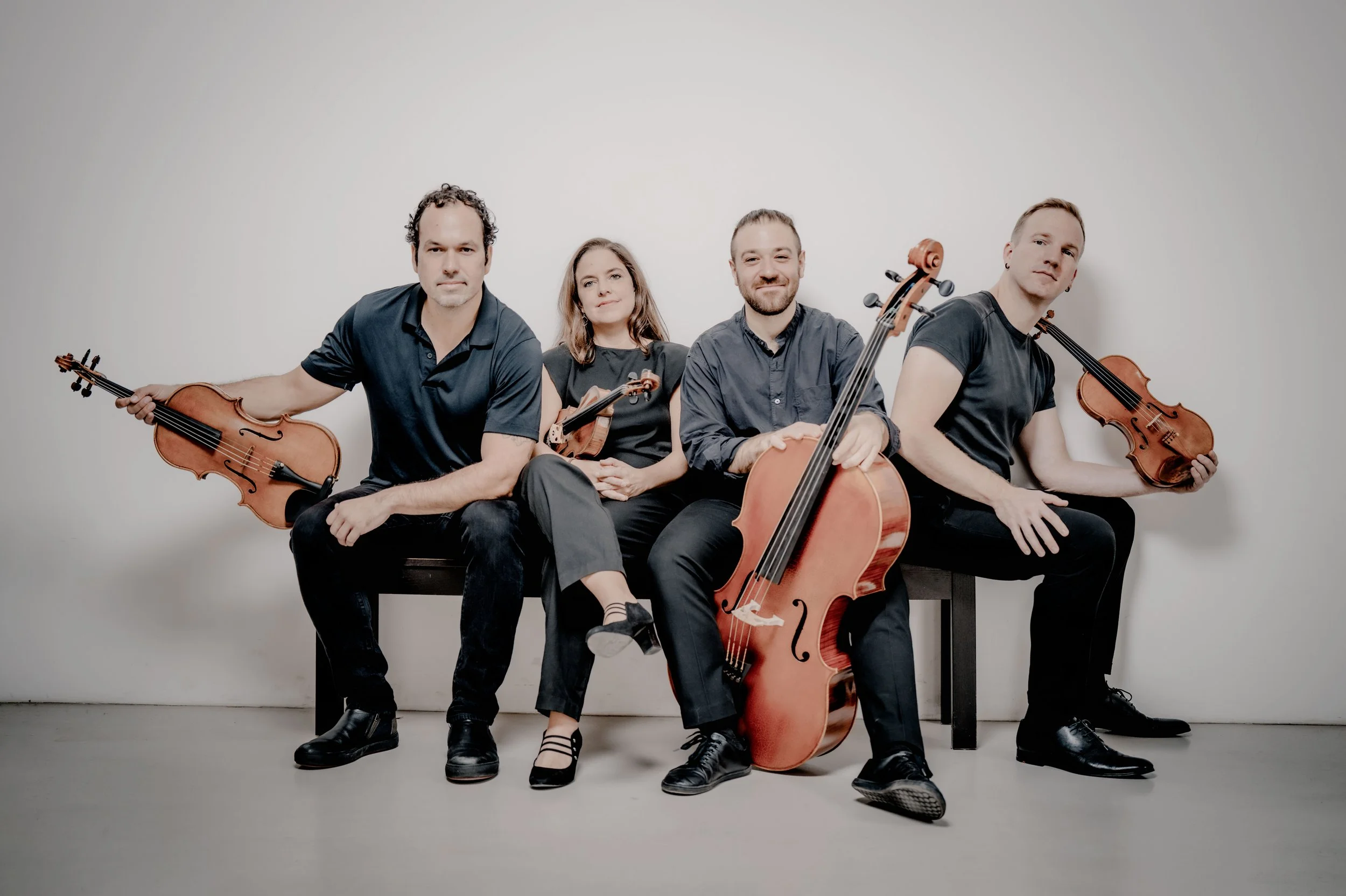
Join Mivos Quartet’s Victor Lowrie Tafoya, sound engineer Paul Coleman and others in a pre-concert conversation exploring Steve Reich’s music, his influence on contemporary composition, and the works featured in Celebrating Reich at 90.
SPEAKERS
VICTOR LOWRIE TAFOYA
Violist, Mivos Quartet
PAUL COLEMAN
Sound Engineer, Mivos Quartet
Asst Professor (Composition and Audio Arts), Pennsylvania State University
and more
Mivos Quartet: Celebrating Reich at 90
Celebrate the 90th birthday of Steve Reich, one of the most influential composers of the twentieth and twenty-first centuries, in a programme spanning three landmark works. Different Trains, Eight Lines and Triple Quartet bring together Mivos Quartet, T’ang Quartet, Vértice Quartet, Nomos Quartet and YST musicians, exploring Reich’s distinctive rhythmic language, layered textures and groundbreaking approach to ensemble writing.
PROGRAMME
STEVE REICH
Different Trains
MIVOS QUARTET:
OLIVIA DE PRATO and WILLIAM OVERCASH, violins
VICTOR LOWRIE TAFOYA, viola
NATHAN WATTS, cello
Eight Lines
LIEN BOON HUA, conductor
ERIC LAMB and SIMEON YAP, flute
STEPHANIE TAN and HAYDEN BUTT, clarinet
JONATHAN SHIN and ABIGAIL SIN, pianos
MIVOS QUARTET
VÉRTICE QUARTET:
FOONG SHU YAN ASHLEY and SIEW XUAN YING, violins
GOH KAI'EN SKYLER, viola
LEV ALIEIEV, cello
Triple Quartet
LIEN BOON HUA, conductor
MIVOS QUARTET
T'ANG QUARTET:
ANG CHEK MENG and NG YU-YING, violins
XU ZHUORUI, viola
ARIEL REN ZHIYI, cello
NOMOS QUARTET:
CHEN YUN-LI and CHEN YI-TIEN, violins
HAN OH, guest viola / mentor
ZHU RUONING, cello
Late Night Sessions: Uncharted (II)
Uncharted brings improvisers together for two late-night sessions of spontaneous music-making, collaboration and unexpected encounters.
PROGRAMME
GERARDO GOZZI and TIM O'DWYER, saxophones
BERT MOOIMAN, piano
RICHARD BARRETT, electronics
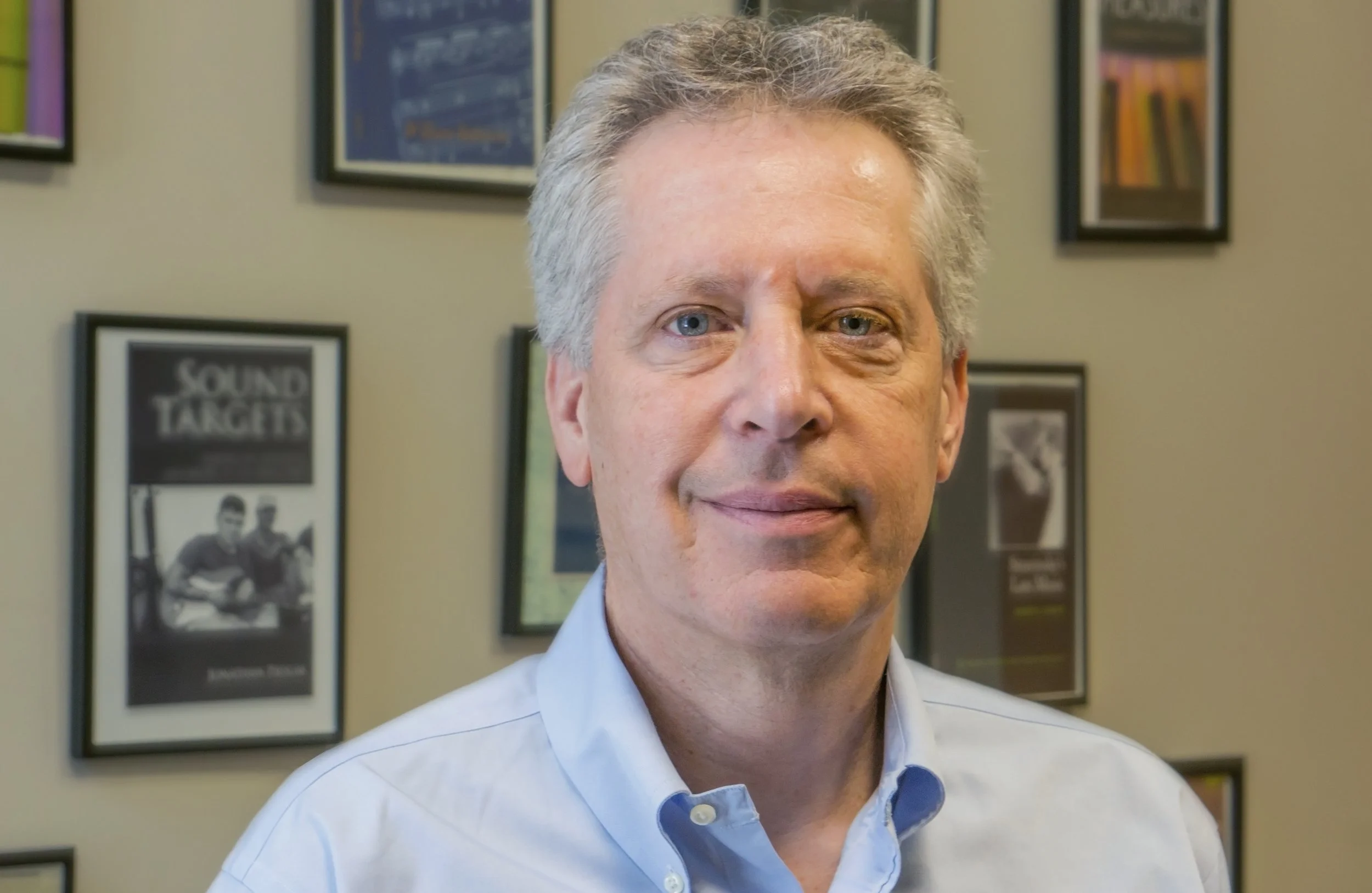
Keynote: Famous Last Words — “Late Style” Reconsidered
ABOUT THIS PRESENTATION
“Late style” is a longstanding aesthetic category in all the arts. Late-style music is presumed to have certain internal qualities (such as fragmentation, intimacy, nostalgia, or concision) and to be associated with certain external factors (such as the age of the composer, his or her proximity to and foreknowledge of death).
Music composed late in life is better understood in relation to the experience of living in an old body, with its attendant challenges and affordances. In a musical style I call “composing oldly,” composers inscribe their bodily experiences into their music. Close readings of four modernist works serve to illuminate the concept: Stravinsky's Requiem Canticles; Schoenberg's String Trio; Bartók's Third Piano Concerto; and Copland's Night Thoughts. In each case, I contend that the features of these works generally understood as markers of lateness are better understood in relation to the old bodies of their composers. This perspective invites us to reconsider how age, embodiment, and musical expression intersect, and to attend more closely to the creative possibilities of composing in later life.
KEYNOTE SPEAKER
Joseph N Straus
Distinguished Professor of Music Theory
City University of New York (CUNY) Graduate Center
Joseph Straus is Distinguished Professor of Music Theory at the CUNY Graduate Center. With a specialization in music since 1900, he has written numerous technical music-theoretical articles and scholarly monographs on a variety of topics in modernist music, including Remaking the Past: Musical Modernism and the Influence of the Tonal Tradition (Harvard University Press, 1990), The Music of Ruth Crawford Seeger (Cambridge University Press, 1995), Stravinsky’s Late Music (Cambridge University Press, 2001), and Twelve-Tone Music in America (Cambridge University Press, 2009).
He has also written a series of articles and books that engage disability as a cultural practice, including Extraordinary Measures: Music and Disability (Oxford University Press, 2011) and Broken Beauty: Musical Modernism and the Representation of Disability (Oxford University Press, 2018). His most recent book is Cultural Narratives of Old Age in the Lives, Work, and Reception of Old Musicians (Routledge, 2025). He has also written textbooks that have become standard references, including Introduction to Post-Tonal Theory, now in its fourth edition, and Concise Introduction to Tonal Harmony (co-authored with Poundie Burstein). Many of his books and articles have received publication awards from the Society for Music Theory, of which he was President from 1997–99.
Presentation Session 4
-
Venue: Ensemble Room 1
Moderator: Dr Abigail Sin10:30–11:00
Reimagining Getai as Singaporean Art Song
Dr Tan Yuting
YST Conservatory of Music11:00–11:30
Myriad Meanings in Singaporean Music:
Between Qualitative and Practice Research
Dr See Ning Hui
Nanyang Academy of Fine Arts -
Venue: Ensemble Room 2
Moderator: Dr Frances Lee10:30–11:00
On My Music and Beyond: Transforming Underwater Sounds into Music
Dr Maria Kallionpää
KreativInstitut.OWL, Detmold University of Music
and
Hans-Peter Gasselseder
Paderborn University11:00–11:30
Prism: A Dialogue with Marie Jaell
Chloe Knibbs
Royal Birmingham Conservatoire11:30–12:00
Earth Song
Dr Luc Vitk
University of Auckland -
Venue: Recital Studio
Moderator: Prof Anothai Nitibhon10:30–11:15
Redefining the Craft: Enhancing Creative Agency in Western Classical Music Performance through Digital Design and Technology
Prof Lies Colman
Royal Conservatoire the Hague
and
Pawel Pokutycki
Royal Academy of Art, The Hague11:15–12:00
The Pathway(s) to 'Chosen?':
Transcending borders of Time, Place, and Performative Discipline
Prof Bernard Lanskey
Queensland Conservatorium, Griffith University
and others
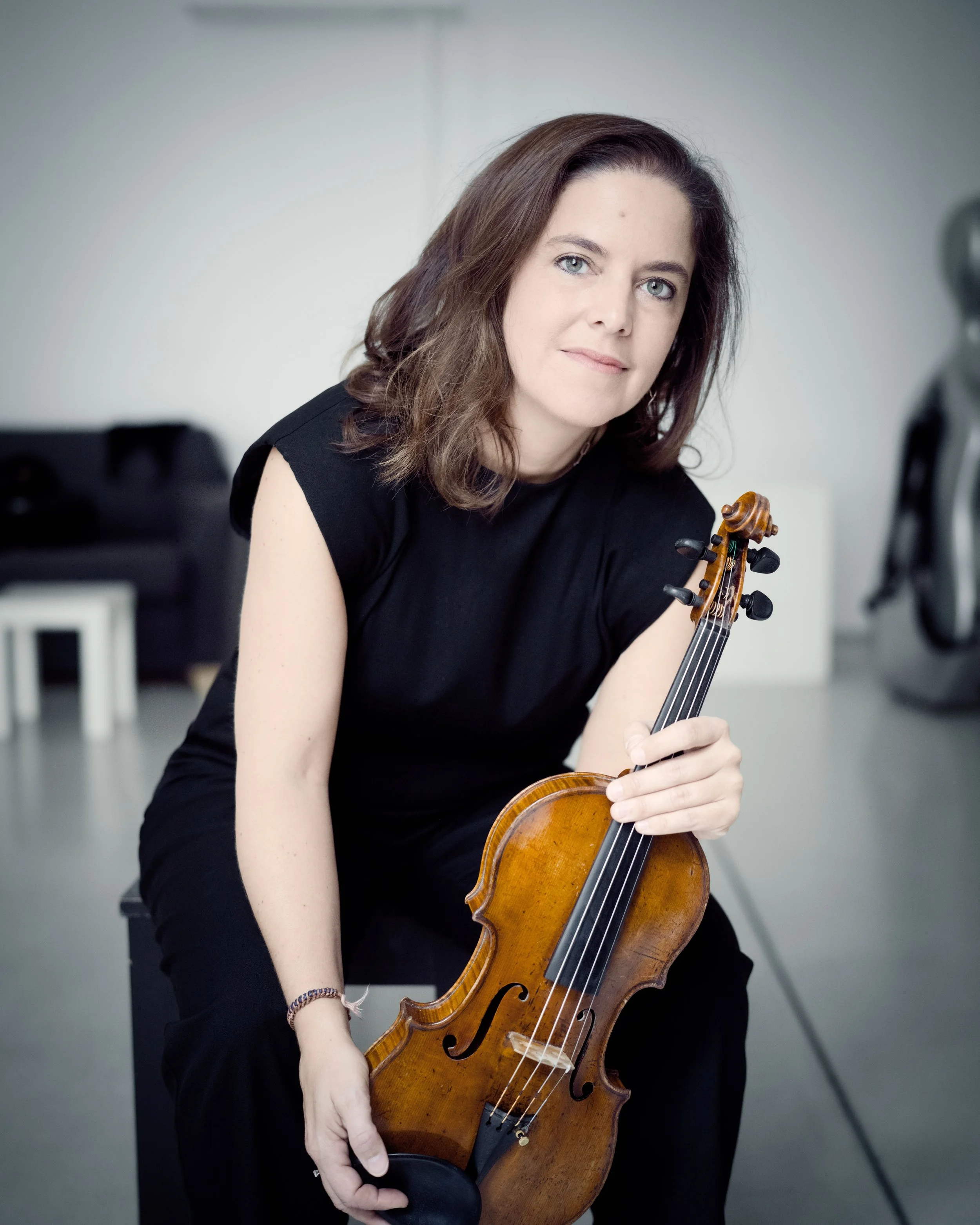
Plenary Session: Artistry and Motherhood
Artistry and Motherhood explores the intersection of creative practice, caregiving and identity, asking how motherhood can shape an artist’s work, ambitions and sense of self.
Inspired by presenter Olivia De Prato’s own experience of starting a family, the project brings together works by Jen Baker, Zosha Di Castri and Samantha Fernando alongside conversations about the realities of sustaining an artistic life while caring for children. Through music and dialogue, the programme considers the practical challenges of balancing caregiving with creative work, the ways motherhood can influence artistic vision, and the support needed to help artists continue developing their practices.
Rather than framing motherhood as a choice between family and artistic ambition, Artistry and Motherhood creates space to consider how these identities can coexist. The programme invites audiences to reflect on the structures, expectations and communities that shape the lives of artist-parents, while celebrating the diverse creative voices of the women at its centre.
PROGRAMME
OLIVIA DE PRATO, presenter
JEN BAKER
Fire in the Dark
ZOSHA DI CASTRI
The Dream Feed
SAMANTHA FERNANDO
Balconies
OLIVIA DE PRATO, violin
PAUL COLEMAN, sound
ABOUT OLIVIA DE PRATO
Austro-Italian violinist Olivia De Prato is internationally recognised as a soloist and chamber musician, with a practice centred on contemporary and improvised music. She performs regularly across Europe, South America, China and the United States, expanding the boundaries of traditional violin repertoire.
De Prato is a member of the new music ensemble Signal and co-founder and first violinist of the Mivos Quartet, dedicated to contemporary string quartet repertoire. Her debut solo album, Streya (2018, New Focus Recordings), featured Missy Mazzoli’s Grammy-nominated Vespers. In 2019, she received the Ursula and Dwight Mamlok Prize for the interpretation of contemporary music.
Her album I, A.M. – Artist Mother Project (2022, New World Records) was named among VAN Magazine’s best classical albums of the year. Her latest solo album, Panorama (2024, New Focus Recordings), features works by Samantha Fernando, Miya Masaoka, Angélica Negrón, Missy Mazzoli and Jen Shyu.
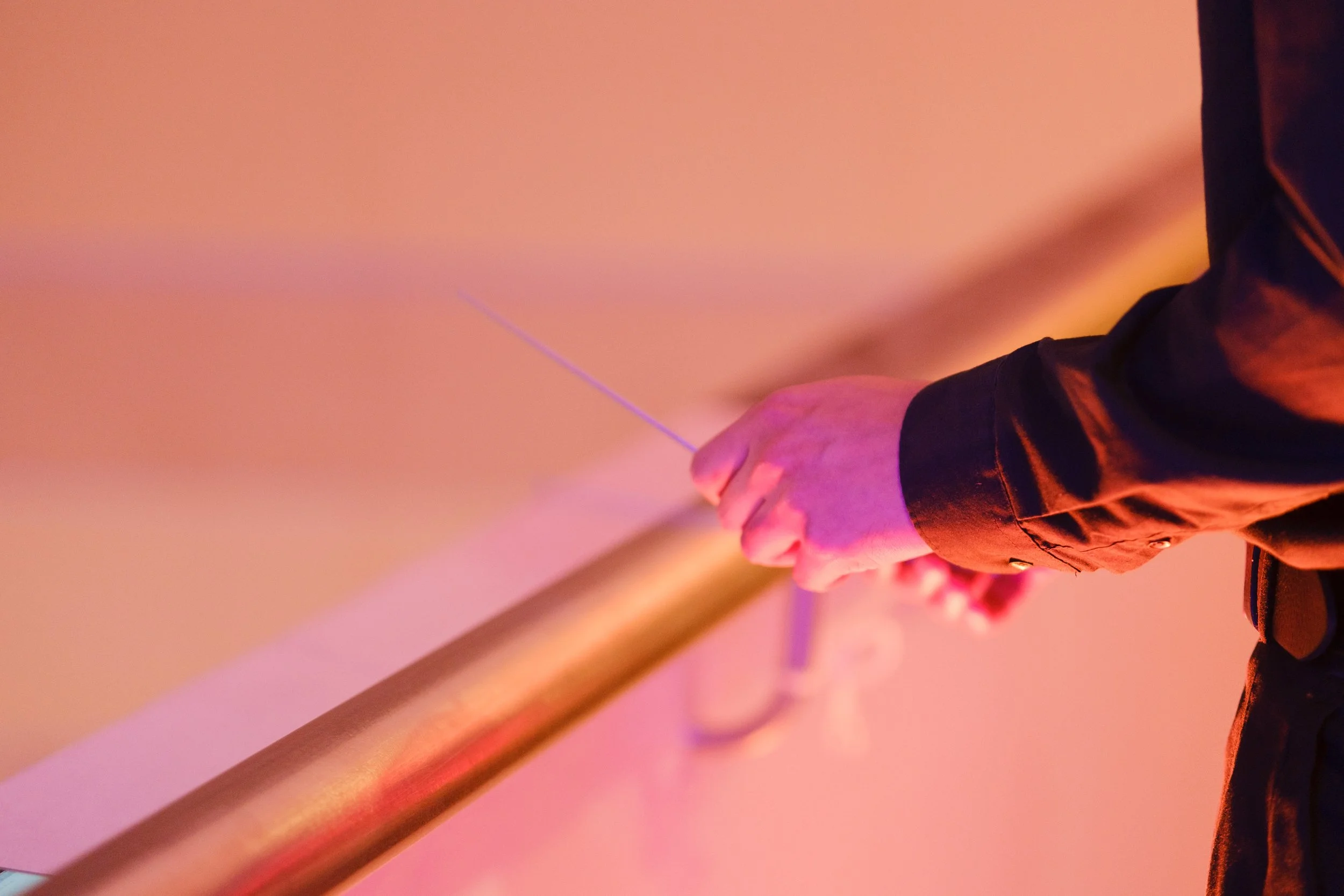
Installation: Every Step You Tread
Every Step You Tread is a performance installation for two percussionists, situated around the staircase of the Music Library. The work explores the staircase as both a musical instrument and an architectural structure: a series of steps that connects different levels and spaces within the library.
Through movement, sound and interaction with the surrounding architecture, the performers draw attention to the physical and sonic qualities of the staircase. Each step becomes a potential point of resonance, gesture and musical response, transforming an everyday passageway into a space for listening and performance.
As the performers move through and around the staircase, the installation invites audiences to experience the library from a different perspective—where architecture becomes sound, and the act of moving between spaces becomes part of the music.
PERFORMERS
JOACHIM THEODORE LIM and LIN YEN-TING, percussionists
ABOUT THE ARTIST
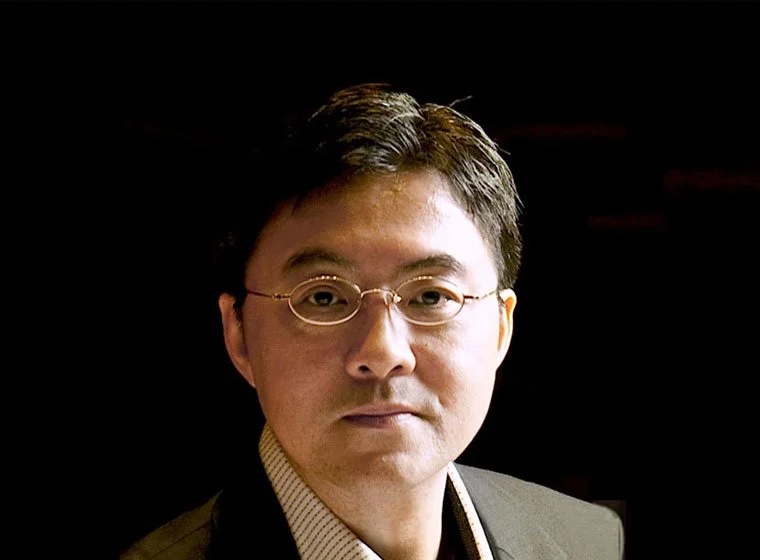
Assoc Prof Ho Chee Kong
(YST Conservatory of Music)
Dr Ho Chee Kong is Vice Dean (Academic Affairs) and was the founding Head of Composition at the Yong Siew Toh Conservatory of Music, National University of Singapore. His international commissions and works for both Western and Chinese ensembles have been performed at festivals and concerts in Asia, Europe, and the Americas.
Ho’s music has been described as “evocative and lyrical”, “distinguished by a strong power of the narrative and exotic instrumental colors” and “exuding a distinct impression of Asian sounds”. He has been an adjudicator for competitions and an external reviewer for universities within Asia and the USA. He has chaired and organized the 29th International Computer Music Conference in 2003, the Japan-Singapore Exchange Concerts in 2005 and 2006, the 31st Asian Composers League Conference and Festival (ACL 2013), and in 2007 established and founded the Composers Society of Singapore.
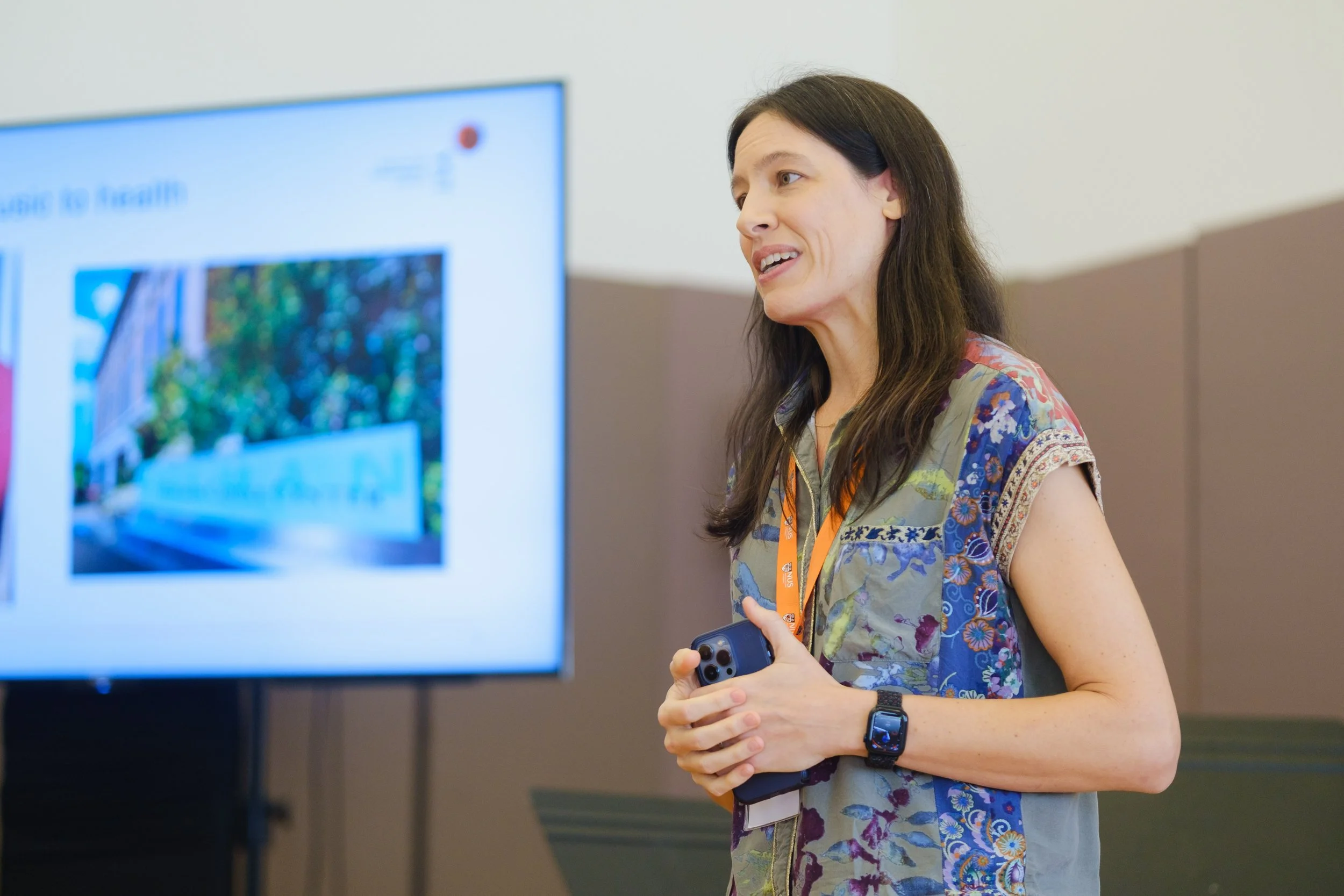
Presentation Session 5
-
Venue: Ensemble Room 1
Moderator: Assoc Prof Chan Tze Law14:00–15:00
Interweaving Practice and Research:
YST PhD in Music Practices
Francis Tan, Kenny Ooi, Wang Chenwei, and Wilson Ong
YST Conservatory of Music15:00–15:30
From Institutional Ambition to Concrete Case:
The Banda Sinfónica Colombiana Project at HEM Geneva
Angela Mancipe
Haute école de musique de Genève15:30–16:00
Interweaving Precision with Presence:
Rehearsing Rather Than Reproducing in the High School Wind Band
Jovan Neo
Band Directors’ Association Singapore -
Venue: Ensemble Room 2
Moderator: Assoc Prof Eric Lamb14:00–14:30
Incidental Music: Locating Musicality in Social Media Content
Dr Chris Gendall
University of Auckland14:30–15:00
Creating Contemporary Music for Solo Piano through the Interlocking Gong Music of Sabah, Malaysia
Rayner Naili
Malaysian Composer Collective15:00–15:30
Brahms’s Clarinet: A Journey Through History and an Unexpectedly Mistuned Viola
Assoc Prof Andrew Filmer
UCSI University
and
Kenny Lim Yong Jia
Tunku Abdul Rahman University15:30–16:00
Not a Gurindam: Deconstructing Malay Poetics through Electroacoustic Practice
Hery Kristian Buana Tanjung
Yayasan Bintan Resorts
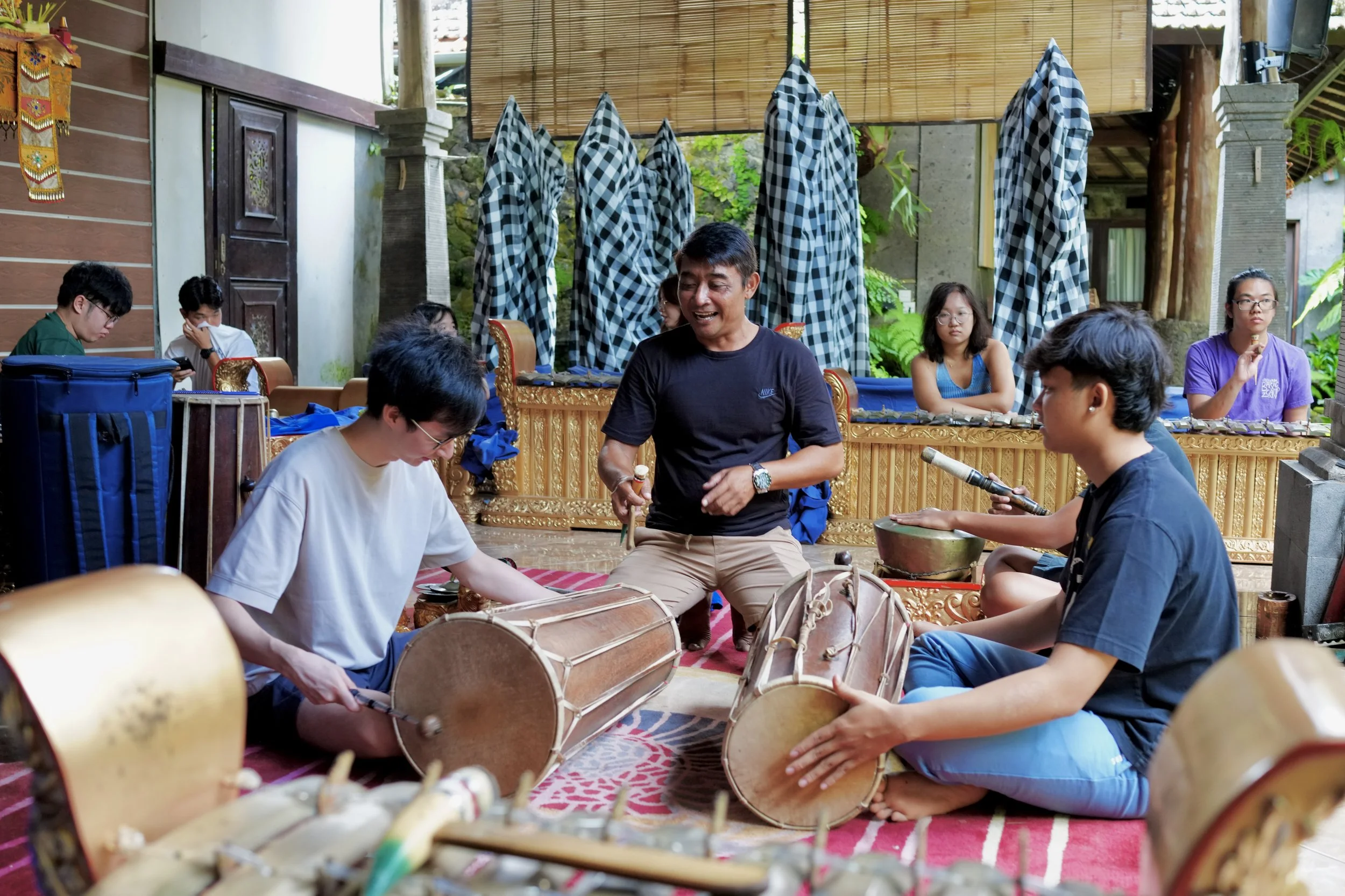
Plenary Session: Rerejangan Senteng
The Rejang Sari dance is a sacred Balinese ritual traditionally performed by women during the Piodalan temple ceremony, embodying gratitude, sincerity, and total surrender to the divine.
As part of YST’s Regional Resonances programme, students engage in an annual course exploring different facets of Balinese culture through sustained encounters with local artists and communities. Guided by practitioners in Bali, they develop meaningful, reciprocal relationships while reflecting on how these experiences shape their perspectives as developing musicians in the region.
This plenary session brings together Wayan Rachman with YST faculty and students involved in the Bali Resonances project. Centred on an original collaborative work inspired by the Rejang Sari tradition, the session explores the interweaving of musical and cultural practices, and the possibilities and challenges of learning through direct engagement with community. Through performance, conversation, and audience participation—including a Kecak interaction—the speakers will reflect on the project’s artistic processes, its collaboration with the Jaladara Foundation, and its impact on both students and hosts in Bali.
PRESENTERS
WAYAN and DEWI RACHMAN
KARST DE JONG
JONATHAN SHIN
STUDENTS FROM YST CONSERVATORY OF MUSIC and PRINCESS GALYANI VADHANI INSTITUTE OF MUSIC
and more
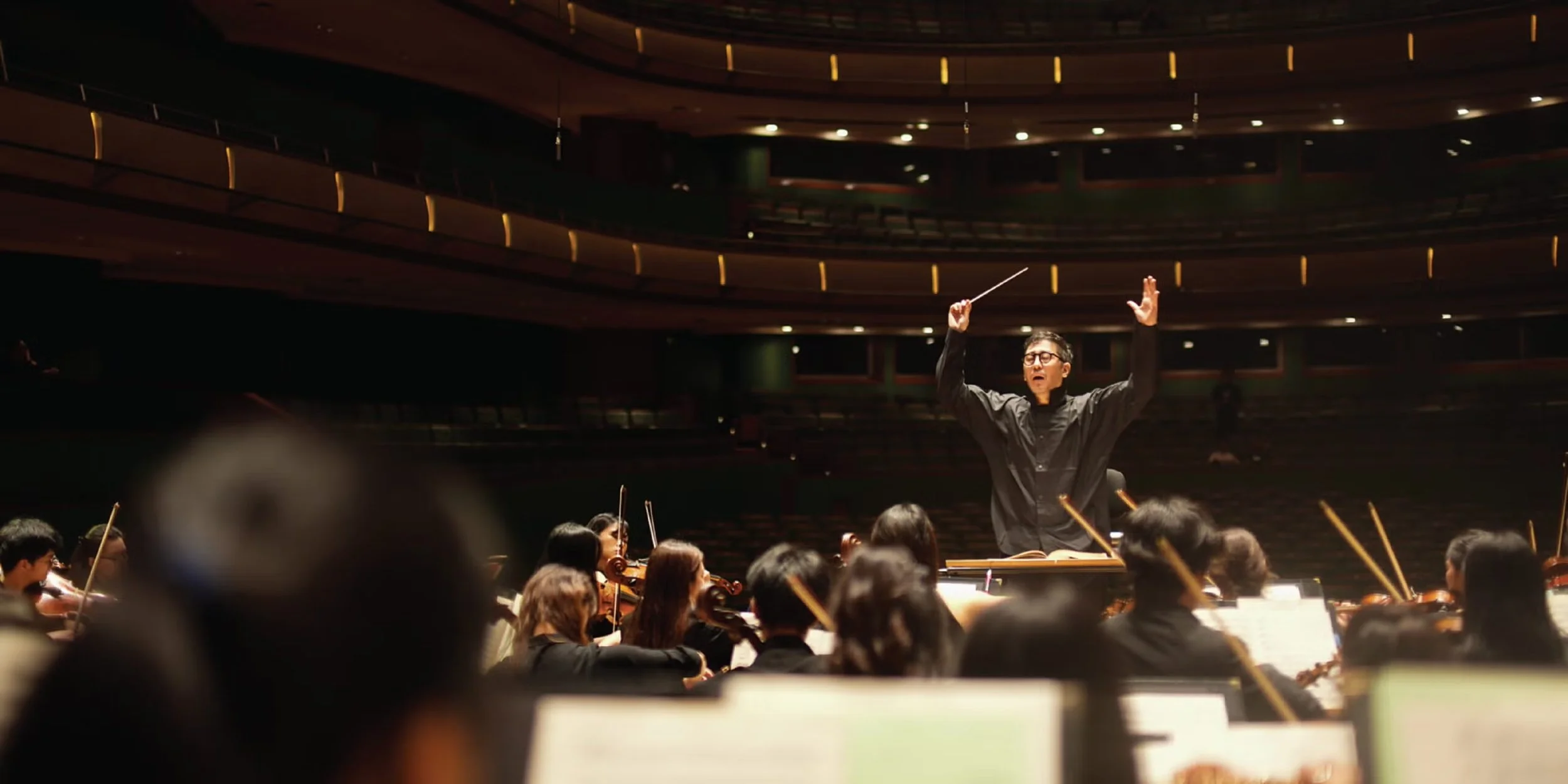
Orchestral Institute: Last Words
What does an artist leave behind? A final work is rarely just an ending; it can be a summation, a question, or the beginning of another conversation. In this evening, we explore how artistic voices become interwoven across time, as composers’ final reflections continue to speak long after they were first heard.
Aaron Copland’s Night Thoughts, one of the composer’s final works, opens the evening in a world of introspection and quiet contemplation in homage to fellow American composer Charles Ives. This follows with Ruth Crawford Seeger’s Suite for Woodwind Quintet, her penultimate composition before her death, revealing the inventive spirit of one of America’s most original modernist voices. At the heart of the programme is Alban Berg’s Violin Concerto, his final completed orchestral work, written in memory of Manon Gropius and dedicated to “the memory of an angel”—a work that transforms grief into profound beauty.
Presented by the YST Orchestral Institute under the baton of Principal Conductor Jason Lai, and featuring YST Head of Strings Professor Qian Zhou on violin, Associate Professor Ning An on piano, guest musicians Gaolat Quintet and narrator Joseph N Straus, Last Words offers a rare opportunity to experience these deeply personal final statements in one single evening.
PROGRAMME
JOSEPH N STRAUS, narrator
AARON COPLAND
Night Thoughts
NING AN, piano
RUTH CRAWFORD SEEGER
Suite for Woodwind Quintet
GAOLAT QUINTET
RACHEL HO, flute
GRACE TAN, oboe
STEPHANIE TAN, clarinet
KEE RUIHAN, bassoon
XAVIER TAN, horn
ALBAN BERG
Violin Concerto
QIAN ZHOU, violin
YST ORCHESTRAL INSTITUTE
JASON LAI, conductor
Late Night Sessions: Far East Sounds
Far East Sounds is an interdisciplinary performance project exploring the meeting point and dialogue between different cultural, sonic, and environmental worlds. Centred on the encounter between Western contemporary music and the sound worlds of Southeast Asia—particularly Balinese gamelan—the project examines how performers, technology, environment, and audience interact within the present moment of performance.
An interactive video installation draws on the rich and biodiverse sounds of Sungai Renggang Sinderut in Pahang, recorded by soundscape artist Yii Kah Hoe. The installation transports listeners into the sonic and visual landscapes of Southeast Asia, bringing the environment into the performance space. Rather than functioning as a backdrop, it participates alongside the performers, prompting musical responses, improvisation, and dialogue.
Through works by composers from Asia, Oceania, Europe, and the United States, Far East Sounds explores a shared space of play and encounter—one that is organic yet focused, and not confined by cultural or geographical difference. The project seeks to create new relationships between human and environmental sound, and to consider how different musical languages and histories might coexist, interact, and transform one another.
Ultimately, Far East Sounds asks how the present of performance can become a space in which disparate musical languages, places, and histories are brought into renewed dialogue, continually reshaping how we listen, perceive, and narrate our relationship with the world around us.
PROGRAMME
Prologue: Video installation by YII KAH HOE
EVAN ZIPORYN
Pondok (2000)
DAI FUJIKURA
Samarasa (2010)
UNSUK CHIN
Piano Étude No. 1, “In C” (2003)
JACK BODY & WAYAN YUDANE
Paradise Regained (2004)
LOU HARRISON
Varied Trio (1987)
Epilogue: Collective composition-improvisation with interactive video
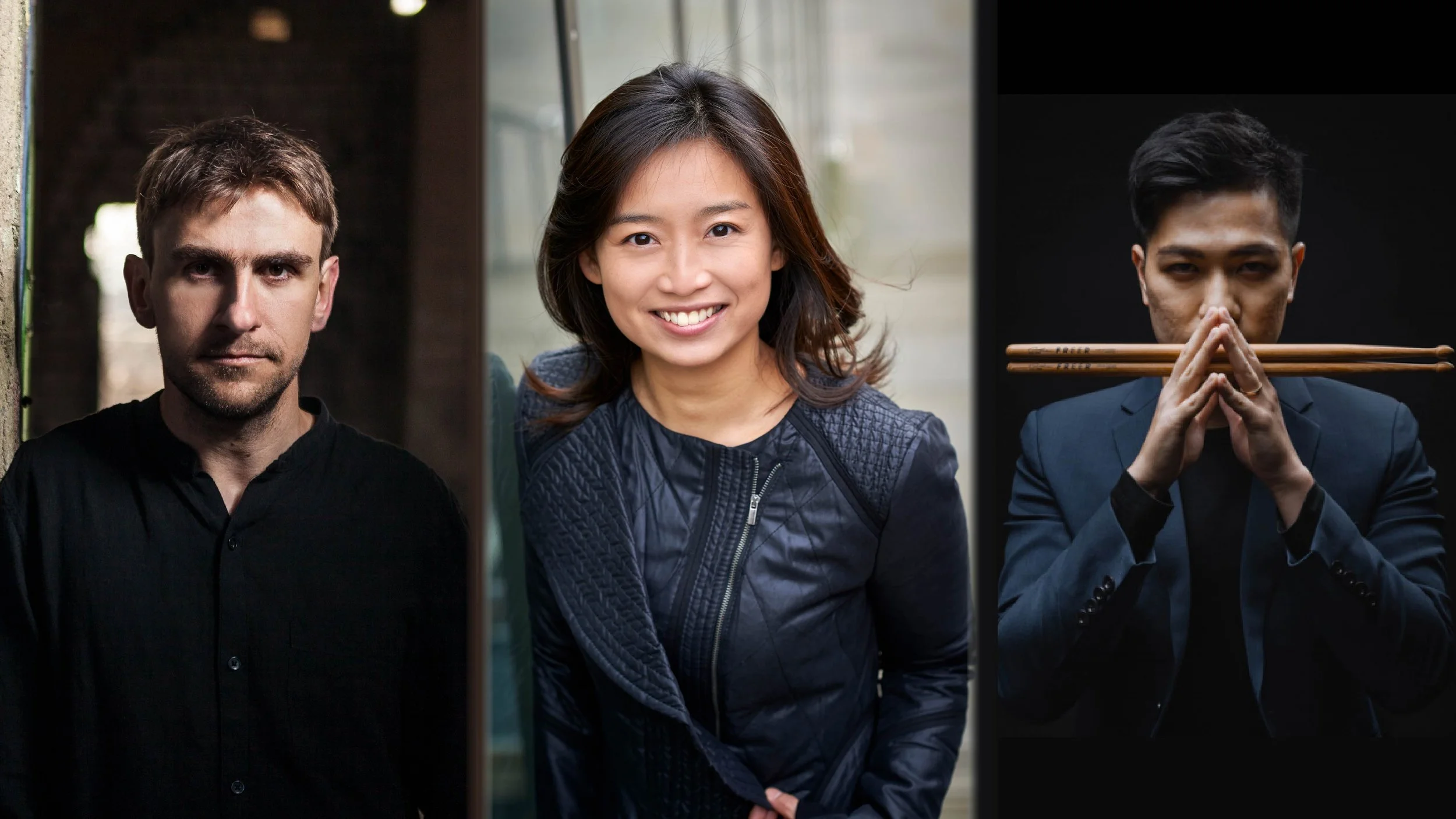
BARTOSZ WOROCH, violin
MEI YI FOO, piano
JOACHIM THEODORE LIM, percussion
ABOUT THE MUSICIANS
Polish-born violinist Bartosz Woroch is a prize winner at major international competitions including the Pablo Sarasate Competition in Spain and Michael Hill Competition in New Zealand. As a soloist, he has performed with orchestras including the Royal Philharmonic Orchestra, Auckland Philharmonic, Bern Symphony Orchestra, Bournemouth Symphony Orchestra and Polish Radio Orchestras, working with conductors such as Michael Tilson Thomas, Libor Pešek and Łukasz Borowicz.
A dedicated chamber musician, Bartosz has collaborated with artists including Pekka Kuusisto, Sting, Uri Caine, Jörg Widmann, Piotr Anderszewski and Tom Morris. His recordings Dancer on a Tightrope and ConNotations, with Britten Sinfonia and pianist Mei Yi Foo, have received critical acclaim.
Winner of the 2013 BBC Music Magazine Best Newcomer Award, Mei Yi Foo is an internationally acclaimed pianist known for her eclectic repertoire and adventurous artistry. She has performed with orchestras including the Philharmonia Orchestra, Helsinki Philharmonic, Seoul Philharmonic and Fort Worth Symphony, and at festivals including Lucerne, Ultraschall Berlin and London’s Southbank Centre. Her recordings on Sony, Naxos and Odradek have received international critical acclaim.
Born in Malaysia and based in the UK, Mei Yi is Professor at the Royal Welsh College of Music and Drama and previously served as Artist-in-Residence at Maynooth University. She received the Setiawan Tuanku Muhriz medal for her contributions to the arts. In 2025, she founded the Nine Arts Festival in Negeri Sembilan, where she serves as Artistic Director.
Joachim Lim is a versatile percussionist known for his adaptability and “razor-sharp” performances (The Straits Times) across multiple genres. A Valedictorian graduate of the Yong Siew Toh Conservatory of Music, he holds a Master’s degree from the Peabody Institute and has performed with orchestras, chamber ensembles and pop artists across the region and internationally.
Joachim co-founded Morse Percussion in 2020 and performed at the Percussive Arts Society International Convention in 2025 as part of its 50th anniversary celebrations. He is also a founding member of classical-crossover group Lorong Boys, which performed a Concerto Grosso with the Singapore Symphony Orchestra in 2022, and a percussionist with The TENG Ensemble, which bridges Asian and Western musical traditions through performance and community outreach. He has taught masterclasses internationally, including at The Tianjin Juilliard School. Joachim is a Freer Percussion Artist and currently serves as Artist Faculty at the Yong Siew Toh Conservatory of Music.
Keynote: Rethink, Rebuild, Recreate — The Artist as Institutional Architect in Southeast Asian Music Education
ABOUT THIS PRESENTATION
What does it mean to lead a music institution as an artist?
At thirty-two, I became a dean while continuing to work as a composer, performer, curator, and educator. This transition has challenged the conventional separation between artistic practice and institutional leadership. Rather than leaving composition behind, I have increasingly understood leadership itself as a form of artistic practice: a process of listening, experimenting, connecting, editing, taking risks, and creating conditions for others to make new work.
This keynote introduces “Rethink, Rebuild, Recreate” as a framework for understanding my approach to institutional leadership at the College of Music, Mahidol University, and its wider role within Southeast Asia. To rethink is to question inherited assumptions about what a music school should teach, whom it should serve, and how artistic research can respond to a rapidly changing world. To rebuild is to develop new structures, curricula, international networks, artistic platforms, and interdisciplinary collaborations. To recreate is to imagine music education not simply as the preservation of established traditions, but as an active site for producing new artistic identities, cultural relationships, and futures.
Drawing on projects in composition, performance, curation, international collaboration, curriculum development, and cultural leadership, I consider the conservatory as a creative ecosystem—one that can be composed, rather than merely administered. Situated within Southeast Asia, this perspective asks whether the region can move beyond adopting established Western models and instead develop institutional paradigms grounded in its own cultural plurality, artistic traditions, technological realities, and transnational networks.
Ultimately, I propose the artist as institutional architect: a practitioner who applies the sensibilities of artistic research to building institutions themselves. In this sense, leading a music school becomes another form of composition—and the institution itself becomes an unfinished work.
KEYNOTE SPEAKER
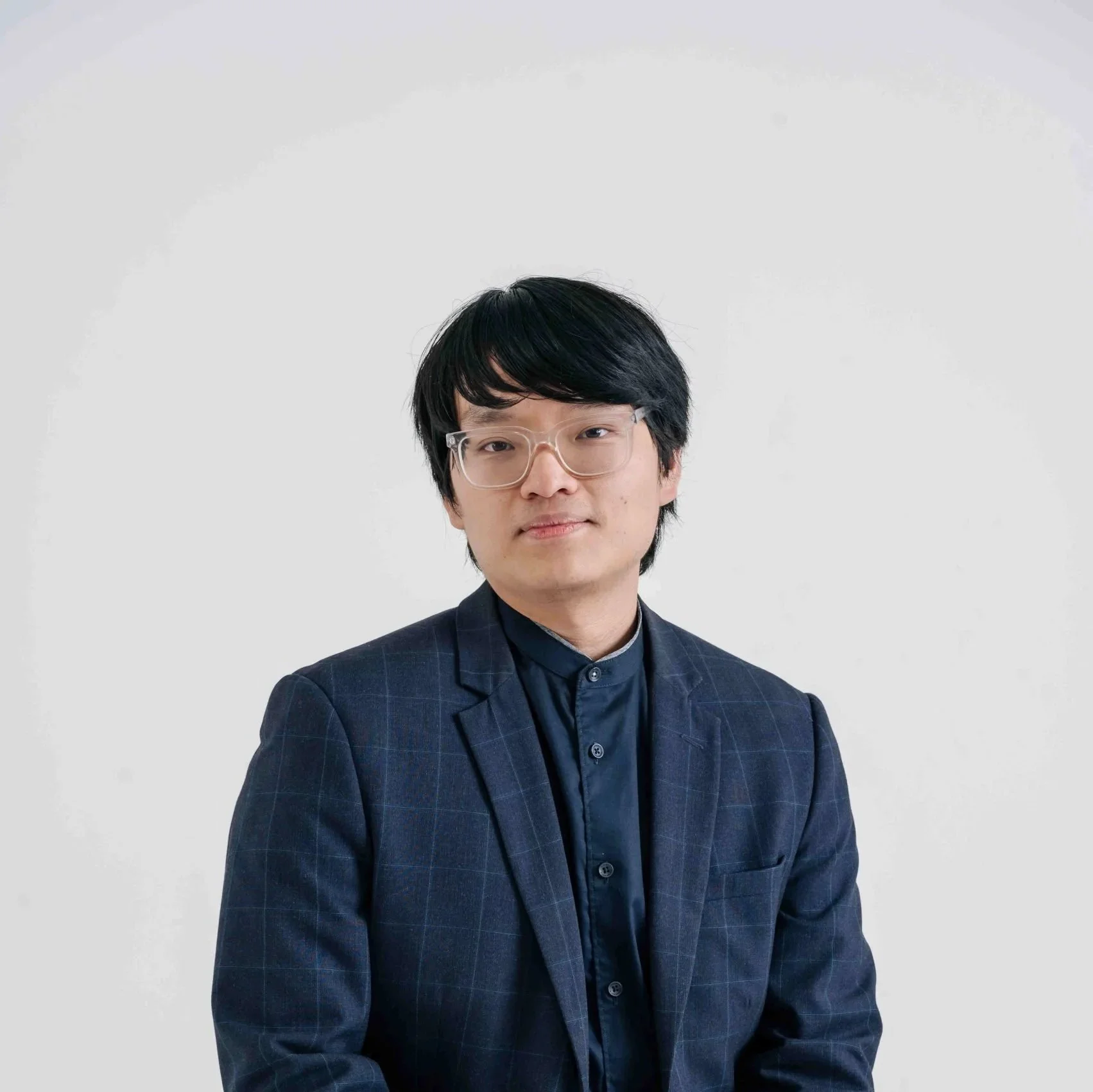
Piyawat Louilarpprasert
Dean
College of Music, Mahidol University
Originally from Bangkok, Piyawat Louilarpprasert is a Thai composer, multimedia performer, and curator whose practice interweaves music composition, visual art, and sound installation. His work explores the integration of multimedia and music, the deconstruction of instruments and their physicality, and the incorporation of Thai traditional music into new compositions.
Piyawat’s music has been performed in more than 30 countries across Asia, Europe, and the United States. He has received commissions and awards from the Fromm Foundation at Harvard, Ernst von Siemens Musikstiftung, British Council, Donaueschinger Musiktage, KulturKontakt Austria, Musicanova–Helsinki Philharmonic, Impuls, and SWR Experimental Studio, among others. With his ensemble Tacet(i), he is a recipient of the Ernst von Siemens Ensemble Prize.
He has collaborated with ensembles and orchestras including Arditti Quartet, Alarm Will Sound, Klangforum Wien, International Contemporary Ensemble, Yarn/Wire, Ensemble Modern, Helsinki Philharmonic Orchestra, Royal Northern Sinfonia, and Thailand Philharmonic Orchestra. His forthcoming projects include a new stage work and song cycle commissioned by Münchener Biennale 2026.
Piyawat holds a DMA in composition from Cornell University and an MMus in composition from the Royal College of Music, London. He is Artistic Curator of IntAct Festival in Thailand and currently serves as Dean of the College of Music, Mahidol University.
Presentation Session 6
-
Venue: Ensemble Room 1
Moderator: Dr Adeline Wong10:30–11:15
Three Settings from the Book of Odes: Creative and Technical Processes
Dr Niccolo Athens
Tianjin Juilliard School11:15–12:00
Hearing the Unspoken: Euphemism, Musical Expression and Risk Communication
Chan Xin Tong and Ryan Lim
YST Conservatory of Music
and
Dr Olivia Jensen
National University of Singapore -
Venue: Recital Studio
Moderator: Prof Robert Cutietta10:30–11:15
Folk Traditions, Improvisation and Contemporary Practice
Ensemble Floyds Row11:15–12:00
Reimagining Handel and Martines
Through Cross-Cultural, Technological and Practice-Led Pathways
Prof Neal Peres Da Costa and Anna Fraser
Sydney Conservatorium of Music
and
Claire Burrell-McDonald
Queensland Conservatorium, Griffith University
Plenary Presentation & Panel: Music-making in Later Life
MUSIC-MAKING IN LATER LIFE
Presentation by JOSEPH N STRAUS
What does it mean to make music in later life? In this presentation, Joseph N. Straus approaches old age not as a biological status or medical condition, but as a cultural formation and identity with its own distinctive ways of being and creating. Rather than viewing later-life musical practices through an ageist lens—as diminished, exceptional, or valuable only despite the composer’s or performer’s age—Straus asks what becomes possible when we recognise later life itself as a source of creativity, agency, and flourishing.
The presentation considers how we might listen to and understand music created in later life on its own terms, and what such practices can reveal about identity, creativity, and the experience of ageing.
THE IMPACT OF MUSIC-MAKING IN LATER LIFE ON WELLBEING
Panel Discussion
Following Straus’s presentation, the discussion turns more explicitly to the relationship between music-making, ageing, health, and wellbeing. The panel brings together perspectives from artistic research, music and health, and the public understanding of risk, considering how sustained musical engagement in later life may contribute to wellbeing, social connection, and quality of life.
PANELLISTS
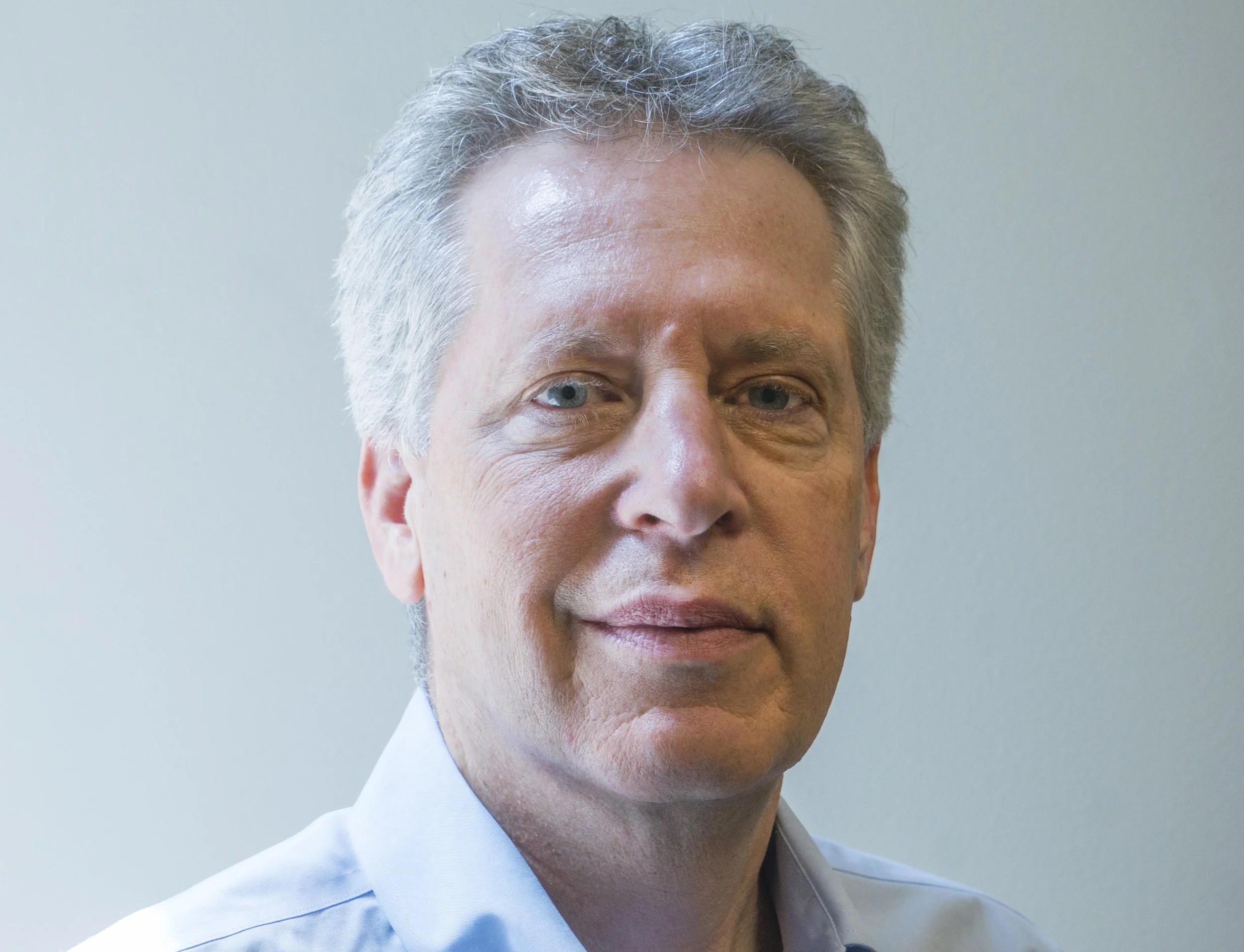
JOSEPH N STRAUS
Distinguished Professor of Music Theory
City University of New York (CUNY) Graduate Center
KAT AGRES
Director, Centre for Music and Health
Assistant Professor, YST Conservatory of Music
LEONARD LEE
Professor and Director
Lloyd’s Register Foundation Institute for the Public Understanding of Risk (IPUR)
RACHEL HO
Flautist
Instructor, YST Conservatory of Music
Closing Ceremony
YST Ensembles-in-Residence Red Dot Baroque and The Lorong Boys join forces in a tapestry of musical styles, interweaving elements of baroque, jazz, folk, and pop in this programme of original arrangements and compositions. By reimagining baroque classics by Purcell and Vivaldi alongside Nature Boy (made famous by Nat King Cole in 1948) and the traditional folk ballad Scarborough Fair, one discovers new expressive possibilities that arise from celebrating this unique confluence of musical genres through the ages.
PROGRAMME
SEREN CHEN, vocals
RED DOT BAROQUE
ALAN CHOO, violin
RACHEL HO, traverso & recorder
LESLIE TAN, cello
CHRISTOPHER JOHANN CLARKE, theorbo & guitar
THE LORONG BOYS
JONATHAN SHIN, piano & harpsichord
DAVID LOKE, violin & fiddle
RIT XU, flutes
EUGENE CHEW, bass
JOACHIM THEODORE LIM, percussion