Trust in the Art of Free Improvisation
Through an investigation of trust in free improvisation, this paper addresses the theme of Dreams and Reality — exploring imagination, perception, and transformation in the creative process. Drawing on a new book authored by Robert Burke and Andrys Onsman, Trust in the Art of Free Improvisation (Routledge, 2026), the research uses an interdisciplinary approach that combines insights from sociology, psychology, and performance studies.
Trust in the Art of Free Improvisation provides a holistic understanding of trust in creative collaboration, audience engagement, and musical flow. The presentation will substantiate selected analyses from the book with commentary from highly respected practitioners and musicians who perform on world stages. Using a theoretical framework grounded in real-world practice, this book offers fresh perspectives on trust in the creative process.
In this paper, I explore the dynamics of trust in freely improvised music. The paper will examine how and why such a visceral, idiosyncratic, fragile and often febrile quality as trust is essential to the creation of improvised music. At a very broad level, trust plays a key role in any human endeavour that involves being vulnerable; in free improvisation, specifically, this includes individuals trusting themselves; the people they are playing with and those people’s actions; and the process itself, because making something entirely new is a risky business, as well as an uncertain art.
To work optimally as a free improviser, musicians need to be capable, comfortable and assured, and, importantly, they need to be able to trust everything in the environment in which they are working. Mistrust is, if nothing else, a distraction from the task at hand. I contend that making choices in free improvisation inherently involves trust: to deviate from a norm requires trust; to explore what lies beyond the known requires trust; and to take risks requires trust.
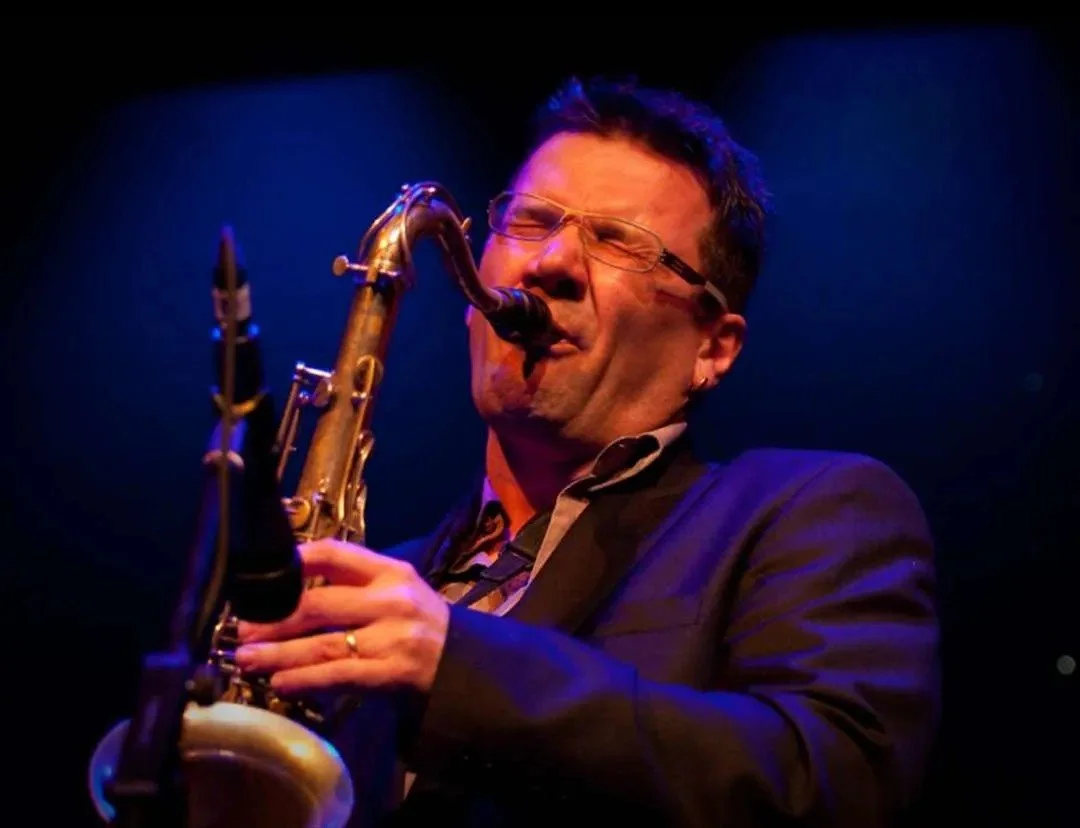
Prof Robert Burke
Robert Burke (Associate Professor, Monash University) is an internationally acclaimed improvising performer, composer, and academic. His research explores jazz and improvisational processes, investigating “what happens when we improvise?” This includes studies in the phenomenology of musical interaction, experimentation, identity, agency, and gender studies. He has co-authored several books, including Trust in the Art of Free Improvisation (2026), New Directions in Musical Collaborative Creativity (2025), Perspectives on Artistic Research in Music (2018), and Experimentation in Jazz: Idea Chasing (2019). As a recording artist, Robert has released 17 CDs under his own name and has contributed as a composer and performer to over 300 recordings.
Monash University