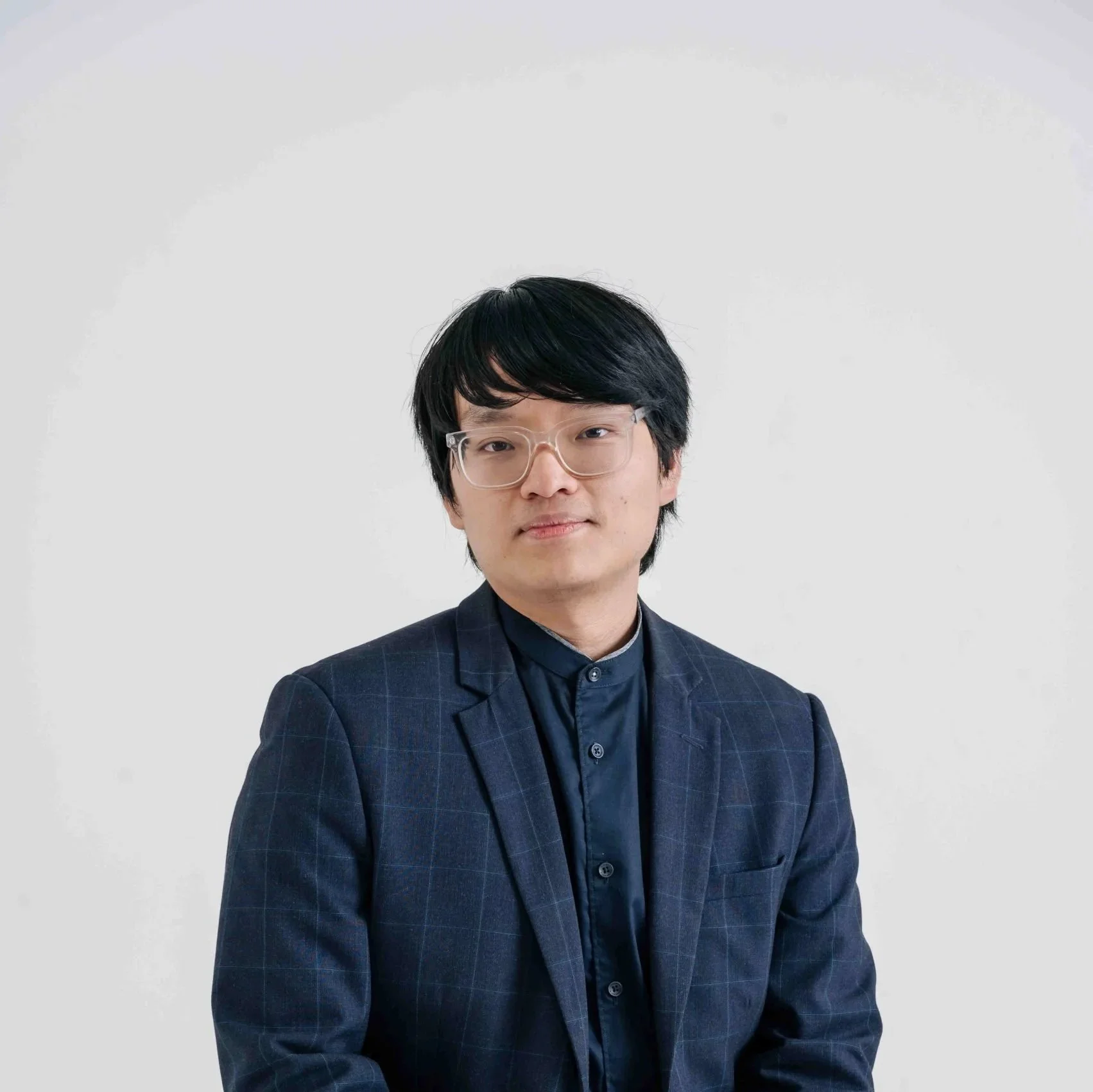
Keynote: Rethink, Rebuild, Recreate — The Artist as Institutional Architect in Southeast Asian Music Education
ABOUT THIS PRESENTATION
What does it mean to lead a music institution as an artist?
At thirty-two, I became a dean while continuing to work as a composer, performer, curator, and educator. This transition has challenged the conventional separation between artistic practice and institutional leadership. Rather than leaving composition behind, I have increasingly understood leadership itself as a form of artistic practice: a process of listening, experimenting, connecting, editing, taking risks, and creating conditions for others to make new work.
This keynote introduces “Rethink, Rebuild, Recreate” as a framework for understanding my approach to institutional leadership at the College of Music, Mahidol University, and its wider role within Southeast Asia. To rethink is to question inherited assumptions about what a music school should teach, whom it should serve, and how artistic research can respond to a rapidly changing world. To rebuild is to develop new structures, curricula, international networks, artistic platforms, and interdisciplinary collaborations. To recreate is to imagine music education not simply as the preservation of established traditions, but as an active site for producing new artistic identities, cultural relationships, and futures.
Drawing on projects in composition, performance, curation, international collaboration, curriculum development, and cultural leadership, I consider the conservatory as a creative ecosystem—one that can be composed, rather than merely administered. Situated within Southeast Asia, this perspective asks whether the region can move beyond adopting established Western models and instead develop institutional paradigms grounded in its own cultural plurality, artistic traditions, technological realities, and transnational networks.
Ultimately, I propose the artist as institutional architect: a practitioner who applies the sensibilities of artistic research to building institutions themselves. In this sense, leading a music school becomes another form of composition—and the institution itself becomes an unfinished work.
KEYNOTE SPEAKER
Piyawat Louilarpprasert
Dean
College of Music, Mahidol University
Originally from Bangkok, Piyawat Louilarpprasert is a Thai composer, multimedia performer, and curator whose practice interweaves music composition, visual art, and sound installation. His work explores the integration of multimedia and music, the deconstruction of instruments and their physicality, and the incorporation of Thai traditional music into new compositions.
Piyawat’s music has been performed in more than 30 countries across Asia, Europe, and the United States. He has received commissions and awards from the Fromm Foundation at Harvard, Ernst von Siemens Musikstiftung, British Council, Donaueschinger Musiktage, KulturKontakt Austria, Musicanova–Helsinki Philharmonic, Impuls, and SWR Experimental Studio, among others. With his ensemble Tacet(i), he is a recipient of the Ernst von Siemens Ensemble Prize.
He has collaborated with ensembles and orchestras including Arditti Quartet, Alarm Will Sound, Klangforum Wien, International Contemporary Ensemble, Yarn/Wire, Ensemble Modern, Helsinki Philharmonic Orchestra, Royal Northern Sinfonia, and Thailand Philharmonic Orchestra. His forthcoming projects include a new stage work and song cycle commissioned by Münchener Biennale 2026.
Piyawat holds a DMA in composition from Cornell University and an MMus in composition from the Royal College of Music, London. He is Artistic Curator of IntAct Festival in Thailand and currently serves as Dean of the College of Music, Mahidol University.
Presentation Session 6
-
Venue: Ensemble Room 1
Moderator: Dr Adeline Wong10:30–11:15
Three Settings from the Book of Odes: Creative and Technical Processes
Dr Niccolo Athens
Tianjin Juilliard School11:15–12:00
Hearing the Unspoken: Euphemism, Musical Expression and Risk Communication
Chan Xin Tong and Ryan Lim
YST Conservatory of Music
and
Dr Olivia Jensen
National University of Singapore -
Venue: Recital Studio
Moderator: Prof Robert Cutietta10:30–11:15
Folk Traditions, Improvisation and Contemporary Practice
Ensemble Floyds Row11:15–12:00
Reimagining Handel and Martines
Through Cross-Cultural, Technological and Practice-Led Pathways
Prof Neal Peres Da Costa and Anna Fraser
Sydney Conservatorium of Music
and
Claire Burrell-McDonald
Queensland Conservatorium, Griffith University
Plenary Presentation & Panel: Music-making in Later Life
MUSIC-MAKING IN LATER LIFE
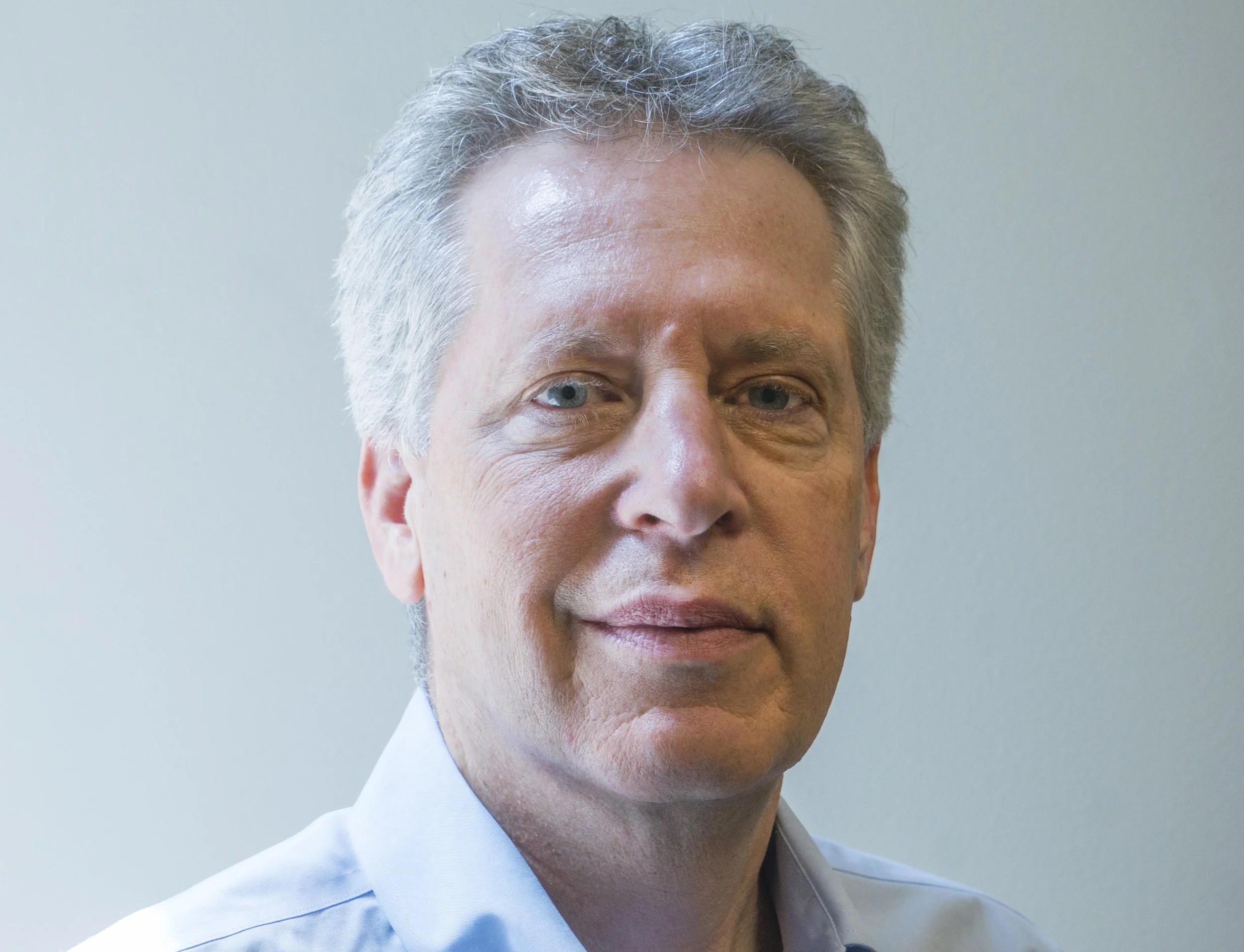
Presentation by JOSEPH N STRAUS
What does it mean to make music in later life? In this presentation, Joseph N. Straus approaches old age not as a biological status or medical condition, but as a cultural formation and identity with its own distinctive ways of being and creating. Rather than viewing later-life musical practices through an ageist lens—as diminished, exceptional, or valuable only despite the composer’s or performer’s age—Straus asks what becomes possible when we recognise later life itself as a source of creativity, agency, and flourishing.
The presentation considers how we might listen to and understand music created in later life on its own terms, and what such practices can reveal about identity, creativity, and the experience of ageing.
THE IMPACT OF MUSIC-MAKING IN LATER LIFE ON WELLBEING
Panel Discussion
Following Straus’s presentation, the discussion turns more explicitly to the relationship between music-making, ageing, health, and wellbeing. The panel brings together perspectives from artistic research, music and health, and the public understanding of risk, considering how sustained musical engagement in later life may contribute to wellbeing, social connection, and quality of life.
PANELLISTS
JOSEPH N STRAUS
Distinguished Professor of Music Theory
City University of New York (CUNY) Graduate Center
KAT AGRES
Director, Centre for Music and Health
Assistant Professor, YST Conservatory of Music
LEONARD LEE
Professor and Director
Lloyd’s Register Foundation Institute for the Public Understanding of Risk (IPUR)
RACHEL HO
Flautist
Instructor, YST Conservatory of Music
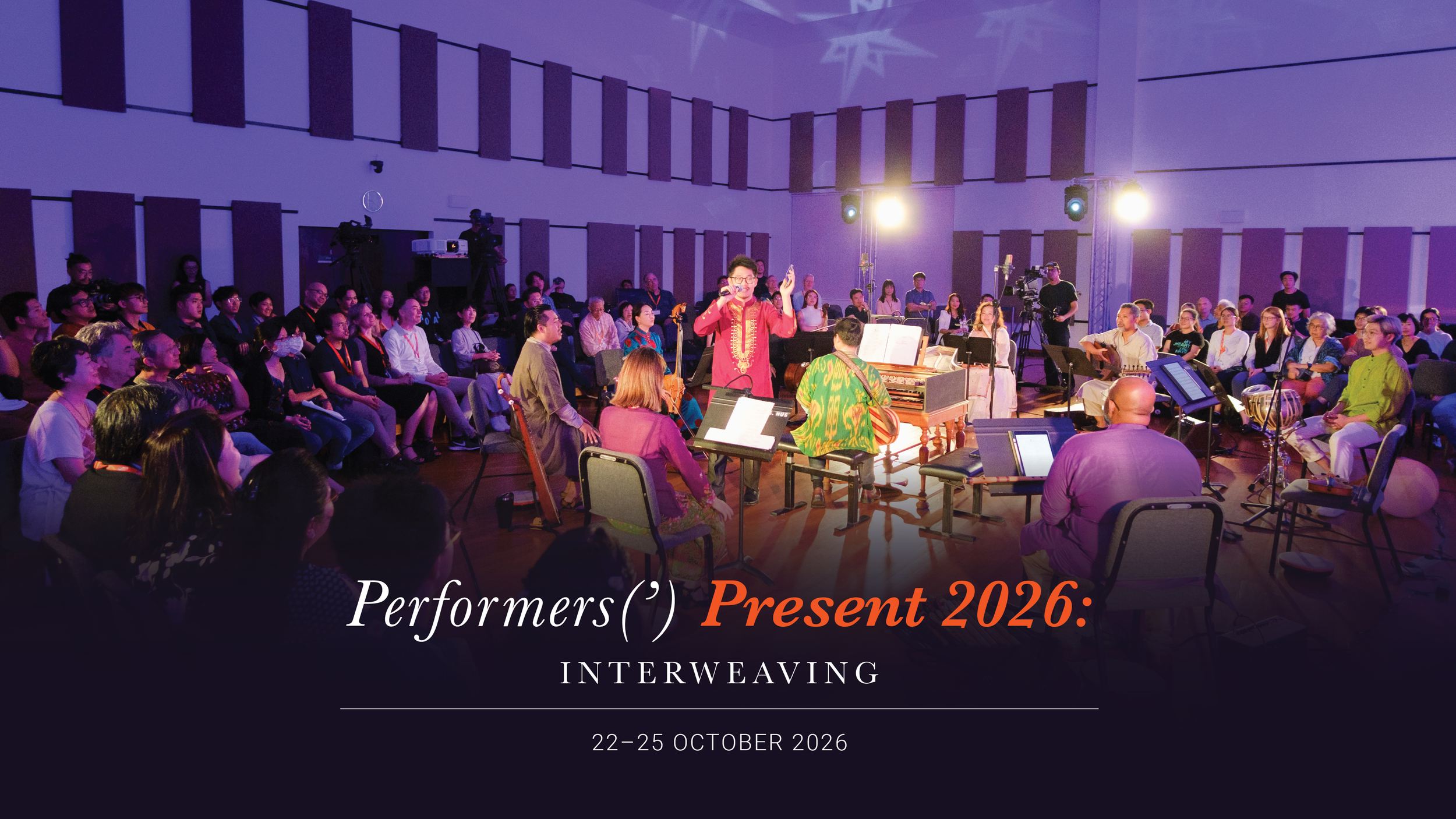
Closing Ceremony
YST Ensembles-in-Residence Red Dot Baroque and The Lorong Boys join forces in a tapestry of musical styles, interweaving elements of baroque, jazz, folk, and pop in this programme of original arrangements and compositions. By reimagining baroque classics by Purcell and Vivaldi alongside Nature Boy (made famous by Nat King Cole in 1948) and the traditional folk ballad Scarborough Fair, one discovers new expressive possibilities that arise from celebrating this unique confluence of musical genres through the ages.
PROGRAMME
SEREN CHEN, vocals
RED DOT BAROQUE
ALAN CHOO, violin
RACHEL HO, traverso & recorder
LESLIE TAN, cello
CHRISTOPHER JOHANN CLARKE, theorbo & guitar
THE LORONG BOYS
JONATHAN SHIN, piano & harpsichord
DAVID LOKE, violin & fiddle
RIT XU, flutes
EUGENE CHEW, bass
JOACHIM THEODORE LIM, percussion