Three Settings from the Book of Odes: Creative and Technical Processes
This lecture will focus on the creative and technical underpinnings of my work Three Settings from the Book of Odes (乐子之无知), for baritone, flute, guzheng, percussion, and cello. The piece interweaves three poems from the guofeng section of the Book of Odes (诗经) into the context of a modern chamber work, attempting to evoke the ritualistic aspect of “Pre-Qin” culture through a careful restriction of musical materials.
I will present a detailed analysis of the work’s pitch structure, including its origins in the chromatic limitations of the guzheng and its relationship to the expressive and philosophical content of the poetry (moving from anxiety to bravado over the first two texts to acquiescent resignation in the third). I will also demonstrate how the work’s form grew from the threefold repetitive structure of each of the three poems, which itself has origins deep in the oral tradition, and also how this suggested a basis in variation form. In particular, I will demonstrate the vocal line’s strict basis in the tones of the language (as read in modern Mandarin) as well as the structure of the poems. Finally, I will describe the way in which a creative approach to dealing with the limited pitch material of the guzheng has informed my compositional technique in subsequent works, even those that contain no Chinese instruments.
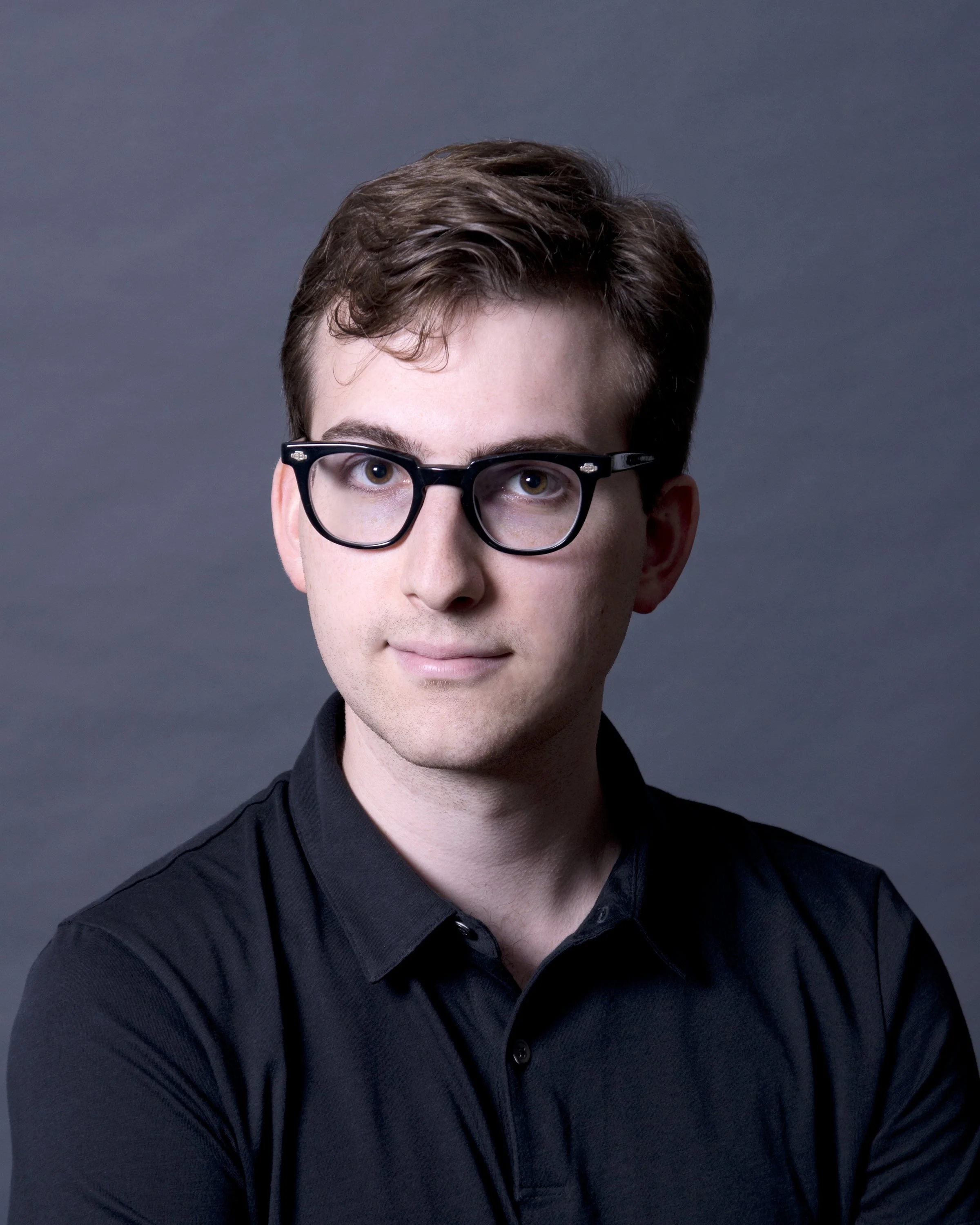
Dr Niccolo Athens
Composer Niccolo Athens was born in San Antonio, Texas, USA, in 1988. He received a bachelor’s degree in composition from The Juilliard School in New York in 2010, and a doctorate from Cornell University in 2016, where his dissertation research focused on the music of Alan Hovhaness. He spent the 2014–2015 academic year in residence at the Central Conservatory in Beijing on a Fulbright Scholarship, during which time he studied with Ye Xiaogang. He is the recipient of two BMI Student Composer Awards and a Charles Ives Scholarship from the American Academy of Arts and Letters.
He is currently a member of the resident faculty at The Tianjin Juilliard School, where he teaches composition, ear training, and theory, as well as serving as Artistic Director of the Festival Connect.
Tianjin Juilliard School