Reimagining Handel and Martines Through Cross-Cultural, Technological and Practice-Led Pathways
Early sound recordings of singers trained in the nineteenth century, in conjunction with documentary evidence from 1700–1900, point to a continuum of performance practice that was retrospectively titled bel canto. Pre-modern singers actively engaged with a range of expressive practices, including rhythm and tempo modification, sliding and trembling effects, declamatory accentuation, ornamentation, and chiaroscuro. Modern-day classical singing—shaped largely by twentieth-century modernist aesthetics and score-based interpretation—takes a more homogenous approach, paying only lip service to verifiable bel canto practices.
Nineteenth-century singers travelled and performed across the globe in different cultural, linguistic, and geographic contexts, which shaped their individual performance aesthetics. Recordings from the early twentieth century demonstrate how nineteenth-century-trained singers from different pedagogical lines actually sounded.
We have used emerging AI technologies to interrogate these early recordings and cross-reference them with detailed technical and performance instructions by vocal experts such as Manuel García II (1805–1906), Domenico Corri (1746–1825), Johann Anton André (1785–1842), and Isaac Nathan (1792–1864). This multi-layered process has inspired our reimaginations of the virtuosic performance styles of eighteenth-century singers, including Marianna Martines (1744–1812) and Margherita Durastanti (fl. 1685–1734).
In this presentation, we offer our musings about how they sounded music by Joseph Haydn (1732–1809) and George Frideric Handel (1685–1759).
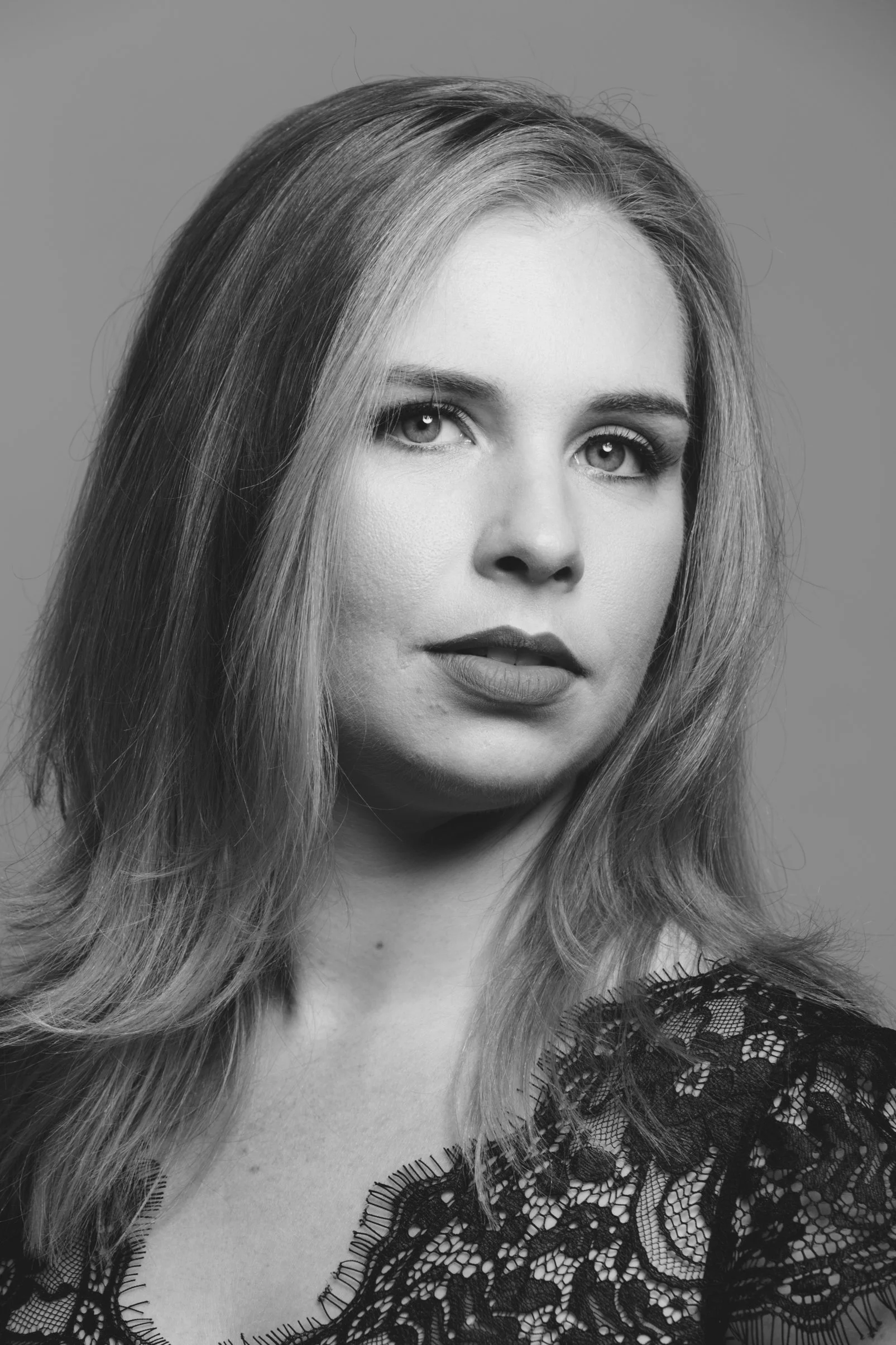
Claire Burrell-McDonald
Queensland Conservatorium, Griffith University
Lauded for her “laserbeam soprano” and “beguiling performance”, Claire Burrell-McDonald has performed as a soloist and ensemble member across Australia and internationally, including with the Choir of St James King Street, Cantillation, Sydney Chamber Choir, Sydney Antiphony, Luminescence Chamber Singers, and Adelaide Chamber Singers.
Claire is currently undertaking doctoral research into historical bel canto practices through the Queensland Conservatorium, Griffith University, as part of the ARC-funded Discovery Project “Shock of the Old: Rediscovering the Sounds of Bel Canto 1700–1900”. She has presented her research across Australia, the USA, the UK, and Europe, and holds postgraduate degrees in Opera, Music Performance, and English Literature.
Photo courtesy of Studio Luxe
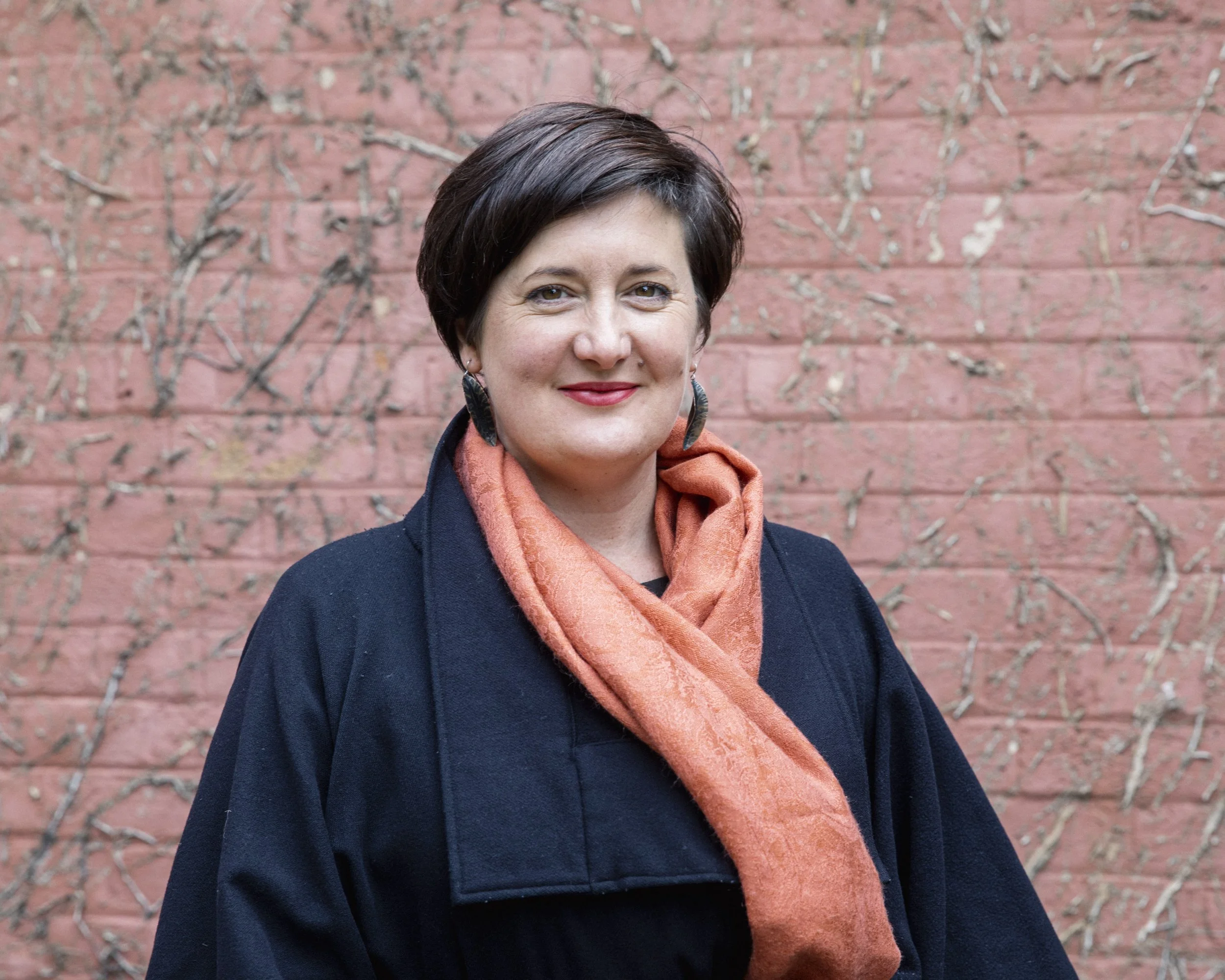
Anna Fraser
Anna Fraser is an acclaimed Australian soprano renowned for her crystal-clear tone, stylistic insight, and interpretative depth. A specialist in historically informed performance, she has established a distinguished career performing with Pinchgut Opera, The Song Company, Opera Australia, Sydney Chamber Opera, the Australian Romantic & Classical Orchestra, Ironwood, and many of Australia’s leading ensembles, alongside international appearances throughout Europe, the United States, and the Asia-Pacific region.
Fraser is a dedicated educator and researcher whose work explores historical bel canto practices, informing an artistry that unites scholarship, technical virtuosity, and expressive imagination.
Photo courtesy of Noni Carroll
Sydney Conservatorium of Music

Professor Neal Peres Da Costa is Associate Dean (Research) at the Sydney Conservatorium of Music, University of Sydney. A recognised early keyboard specialist and ARIA Award winner, his publications include his groundbreaking monograph Off the Record: Performing Practices in Romantic Piano Playing (New York: OUP, 2012), widely regarded as a foundational text in pianistic performance practice. He has also made numerous influential recordings, most recently Schubert’s Schwanengesang with Anna Fraser (Deux-Elles, 2026).
He is Lead Investigator on three Australian Research Council Discovery Projects, a member of the Australian Research Council College of Experts, and a Fellow of the Australian Academy of the Humanities.
Sydney Conservatorium of Music