Myriad Meanings in Singaporean Music: Between Qualitative and Practice Research
How do Singaporean composers approach musical meaning, locality and identity within Western classical music? Situated within debates around representation, tradition, semiotics and multiculturalism in music, this paper presents findings and methodological reflections from an interview study with six Singaporean composers. It examines the varied ways composers experience and express identity, the tensions between aesthetic ideals, social positioning and lived experience, and the meaning-making values within Western classical music that shape attitudes towards signification and ambiguity.
Using Interpretative Phenomenological Analysis (IPA), the study identifies emergent themes through its “double hermeneutic”, with the researcher’s contextual embeddedness serving as an analytical resource. The paper also considers how performance practice can provide a reflexive foundation for qualitative research. As a pianist, I approach concert programming as a form of co-authorship with composers, shaping how lesser-known works are heard, understood and valued. Bringing qualitative and practice research into dialogue enables a more situated interpretation of composers’ experiences while recognising the agency and competing forms of value embedded in their practices.
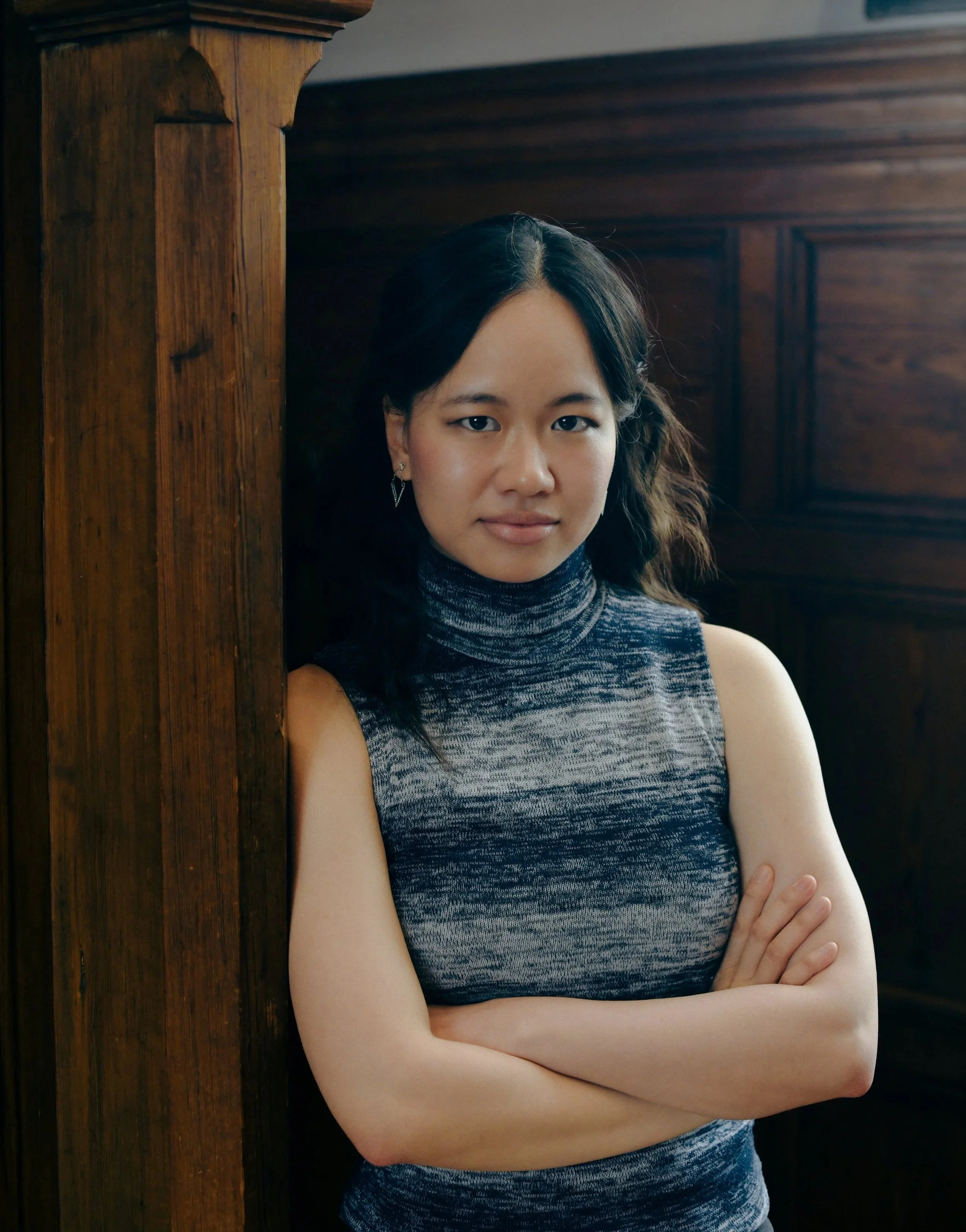
Dr See Ning Hui
Nanyang Academy of Fine Arts
Dr See Ning Hui is a pianist, researcher and educator whose research interests include lesser-known repertoire, creative agency and musical value. She is the 2026 Art Research Scholar-in-Residence and an adjunct lecturer at NAFA, with publications in Psychology of Music and Music & Musical Performance. She has presented her research at conferences organised by the Royal Musical Association, Hochschule für Musik und Theater Hamburg and the University of California, Irvine.
As a pianist, she has been described by The Straits Times as a “complete recitalist” with a “sensitive touch and broad tonal palette”. She holds a PhD, MMus and BMus (Hons) from the Royal College of Music, London.