Redefining the Craft: Enhancing Creative Agency in Western Classical Music Performance through Digital Design and Technology
Since the 1990s, developments in new musicology, performance studies, and music philosophy have challenged the dominance of the (written) musical work over its performance. Scholars such as Small, Leech-Wilkinson, and Cook advocate a shift in perspective, positioning the performer as a co-creator or author, and the score as a script or blueprint rather than a fixed authority. Despite these theoretical advances, both professional and educational practices have been slow to follow. While students and musicians are encouraged to demonstrate creativity and innovation, performance often remains bound to convention, allowing only marginal improvisational or creative interventions. Similarly, curricula tend to relegate creativity to peripheral courses, with little integration into core disciplines such as main instrument study, chamber music, and orchestral practice.
This gap calls not only for a theoretical shift, but also for a practical and artistic reorientation. In this presentation, the authors present a process and its outcomes in which creativity is explored across disciplinary boundaries—between classical music and visual art—across temporal perspectives—past and present—and through different media, namely acoustic piano and interactive visualisations. Authorship is continuously questioned and redefined, without compromising original values or technical and artistic craftsmanship, but expanding them through new attitudes and competencies.
The project is grounded in two theoretical frameworks: a creative-performative phase model inspired by Wallas’s theory of creative thinking, and Steinberg’s propulsion model. The resulting work investigates the possibility of stimulating performing artists to incrementally and systematically elevate their creative agency in classical music interpretation through design and technology. In this endeavour, a prototype of an interactive digital visual tool becomes a creative partner of the performer live on stage.
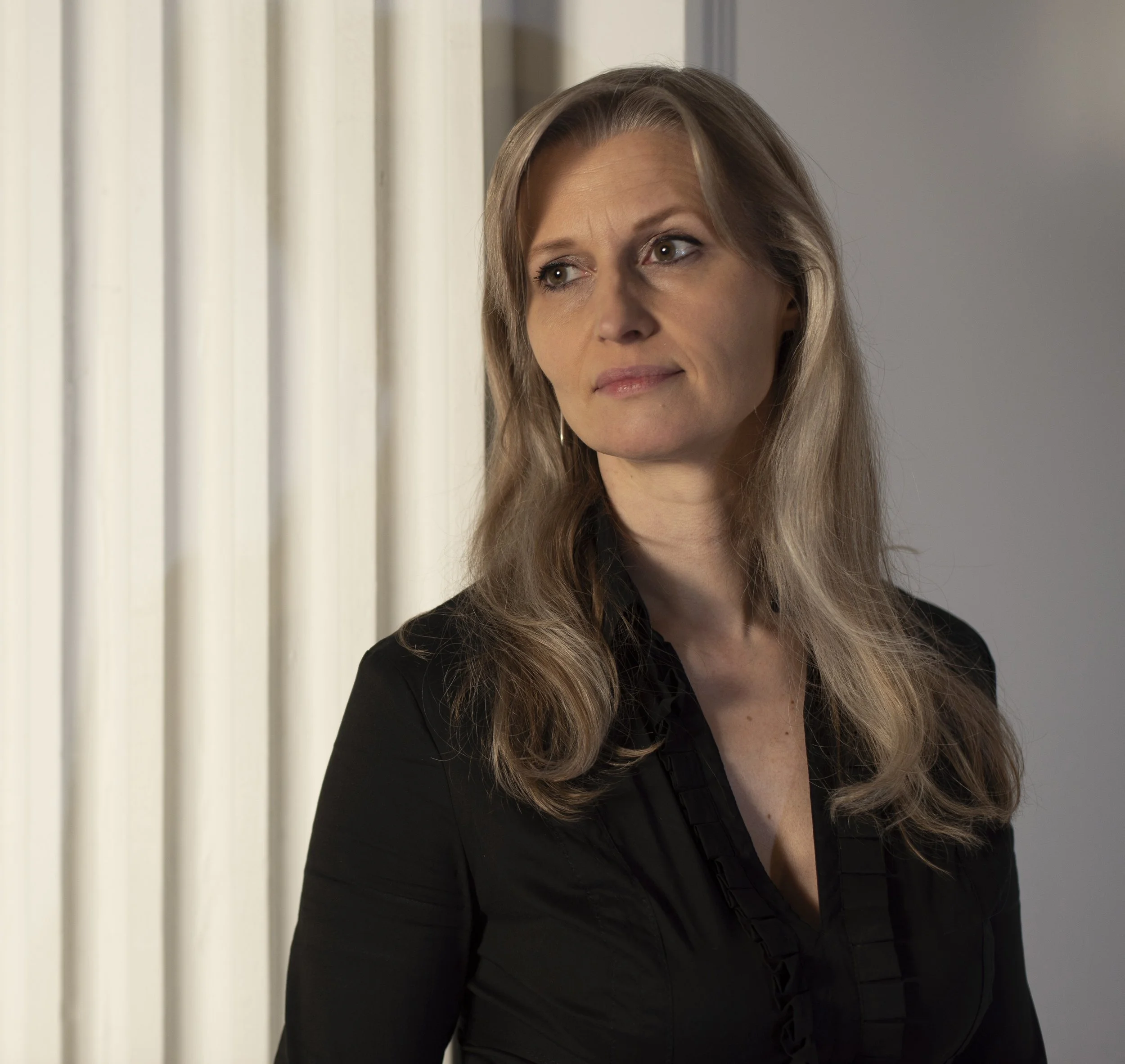
Prof Lies Colman
Lies Colman (Ghent, Belgium / The Hague, Netherlands) is General Director of the Royal Conservatoire The Hague. She holds university degrees in Law, Cultural Studies, Music, Strategic Management and Leadership, as well as an MBA.
A classically trained pianist, researcher, and arts leader, Colman maintains an active artistic practice, performing in a wide range of settings—from solo and chamber music to song, opera, and new interdisciplinary and creative projects.
Her PhD research, Curating the Score, explores the creative agency and authorship of performing musicians, with a particular focus on interdisciplinary collaboration. Her work brings together artistic practice, research, education, and cultural leadership, with a sustained interest in how musicians can actively shape and contribute to the creative processes in which they participate.
Royal Conservatoire the Hague
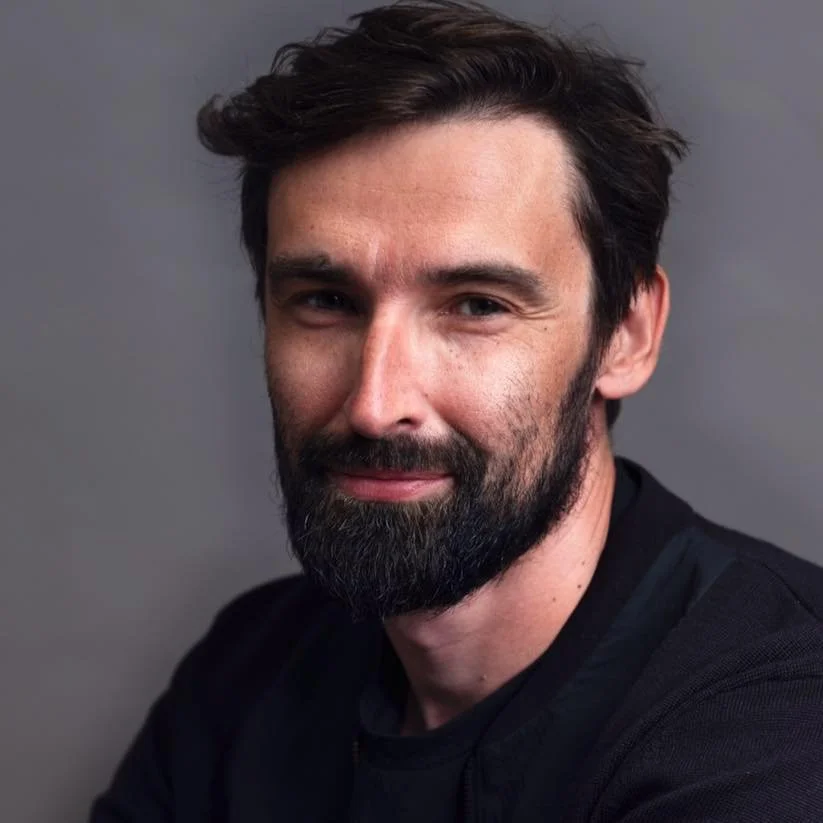
Pawel Pokutycki
Pawel Pokutycki is a creative technologist, designer, researcher, and lecturer at the Royal Academy of Art in The Hague and Design Academy Eindhoven, Netherlands. His work spans artistic and educational contexts, exploring adventurous interdisciplinary crossovers between diverse forms of creative practice and fields of knowledge, including new media theory, as well as political, social, cultural, musical, and environmental studies.
He develops concepts and prototypes for interactive media as part of this research and is also a member of the Representative Board of ELIA.
Royal Academy of Art, The Hague